Blog

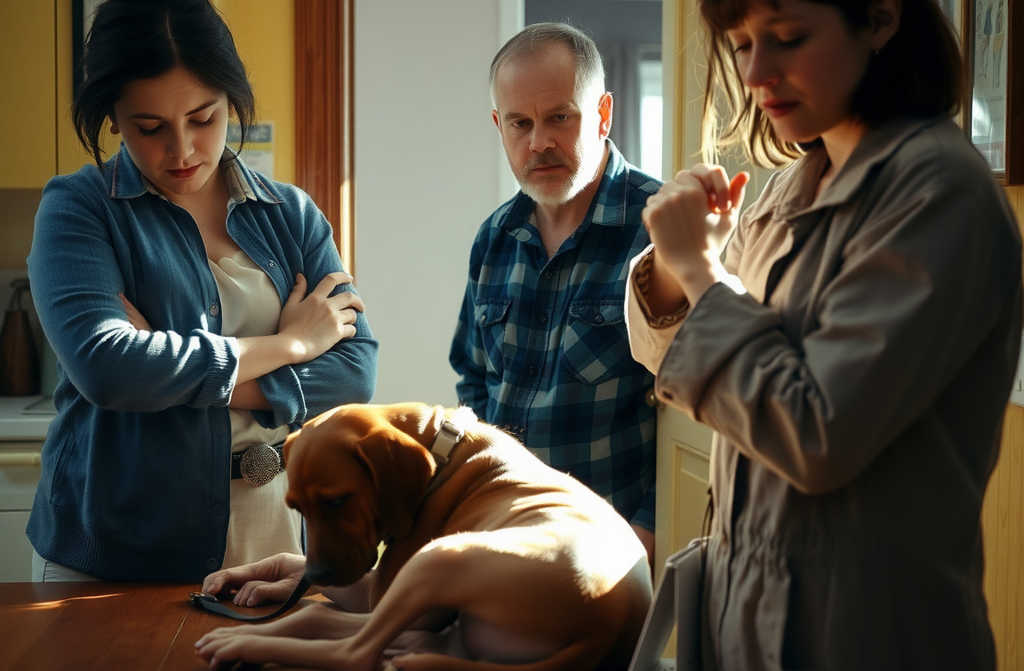
  • Spotting the dog sprawled by the bench, he dashed over, his gaze snagging the leash Natalie carelessly left behind.

    Spotting the dog sprawled by the bench, he dashed over, his gaze snagging the leash Natalie carelessly left behind.

    I saw the pooch lying by the garden bench and rushed over straight away. Right there was the leash too the one Sarah had carelessly tossed aside. Mars gave his owner a sad, pleading look with those droopy eyes

    Emily and her brother havent really spoken much for almost two years. She still cant figure out how a tiny misunderstanding blew up into such a nasty row.

    Emily and James Whitaker are just a year apart. Since they were kids they were inseparable, always looking out for each other. No matter what mischief they got into, they shared the blame equally and never left the other hanging.

    Their home village, Ashbrook, has been growing and thriving year after year. They were lucky to have the towns head, Peter Whitaker, who was born there himself and turned out to be a brilliant local businessman.

    After finishing his agricultural studies, Peter came back to Ashbrook and threw himself into community projects. People noticed his hard work quickly, and ten years later he became the chief councilor of the parish.

    Their private lives were going smoothly, too. Emily, after completing nursing college, started working at the village health centre as a junior nurse. Peter couldnt ignore such a beauty, and Emily returned his interest. They got married, and the whole village turned up for the wedding. James was genuinely happy for his sister, even though his own marriage to Sarah was anything but smooth.

    When Emily was still single, Sarah would mutter about her, calling her useless or pretentious. After Emily and James tied the knot, jealousy replaced the sniping. Sarah began demanding more and more from her husband a bigger house, a nicer car, a better coat

    James kept sighing, Everyone else seems to have it all, and were left wanting. He tried his best, but he could never meet Sarahs evergrowing wishes, whether in cash or effort.

    Sarah wasnt happy either; she never got the joy of motherhood. Meanwhile, Emilys life was ticking along nicely she married well, had a boy and then a girl, built a spacious home, and her husband earned a respectable rank

    Family gatherings kept ending in arguments. Every time James visited Emilys place, Sarah would immediately start nagging him.

    The final showdown happened on Jamess birthday. Emily brought him a Labrador puppy from the city something shed been wanting for ages. Peter gifted him a new motorbike.

    Everything was fine until drunk Sarah lost her temper and let all the pentup venom out on Emily:

    Come on, Lenny? The dog thats a joke, isnt it? If we cant have kids, we might as well get a dog, right?

    Lena tried to calm her down: Sarah, take it easy. Youll be embarrassed later

    But it didnt work. A huge argument broke out, guests split into two camps. Peter whispered to his wife that they should leave, and after saying their goodbyes they slipped out of the party.

    Two years passed. That night James started keeping his distance from his sister; they only saw each other a few brief, rare times. Meanwhile the tension between him and Sarah kept building.

    In the evenings James would often walk down to the river with Buddy. The two looked happy together: James would toss a stick, Buddy would sprint after it, then plop down at his feet and listen to Jamess quiet stories.

    Emily heard about it from the neighbours but did nothing James remained stubborn.

    After that nasty row, Sarah grew to hate Emily even more, and she despised Buddy as well. Whenever James wasnt home, she would chase the dog out of the house, kick it, sometimes even hit it.

    The nosy neighbours kept fanning the flames:

    Did you hear, Sarah? Your husbands out by the river again with the dog

    Yesterday he ran into Lenny with the kids they were laughing and having a good time!

    Jealousy completely swallowed Sarah. One day James asked:

    Sarah, are you being rough on Buddy?

    Do I need your dog? she snapped, then stormed off.

    Buddy started hiding from Sarah more and more, shaking whenever she appeared.

    Everything came to a head one morning when James, fed up, shouted:

    Ive had enough of this endless jealousy!

    Furious and alone, Sarah dragged Buddy out to the garden, tied him to a bench and gave him a harsh strap. The poor dog howled in pain. When she finally let go of the belt, she packed her things and left home for good.

    That evening James came back, but Buddy wasnt at the gate. The house was a mess. He found the dog crumpled by the bench, a rope bound around his neck. James freed him in a rush and carried him straight to the clinic.

    Emily was just about to head home when she saw her brother clutching the bleeding Buddy:

    Lenny, help me James begged, his voice cracking.

    She examined the dog gently:

    Who did this?

    Sarah James lowered his eyes.

    Emily nodded silently, stitched up the wounds, washed his eyes, gave him water.

    Later, in the hallway, James whispered, Im sorry, Lenny

    Dont be daft, Emily smiled wearily. And about Sarah?

    Not anymore, James replied.

    Emily phoned Peter: Peter, could you come over, please?

    As soon as he heard his wifes tired voice, Peter was on his bike.

    Half an hour later he was standing in the corridor. Seeing the siblings huddled together, with Buddy whimpering softly, he said:

    Come on, you two heroes.

    They took James home and gave him all the advice hed need for looking after Buddy.

    When Emily told their mother what had happened, the old lady merely sighed, They should have split up ages ago.

    She turned and went off to help her son tidy the house.

    In the gym, James sat, stroking Buddy. Their mother walked over, patted them both:

    You both still alive?

    Alive, James answered.

    A lovely scent drifted from the kitchen roast beef and fresh veg. Buddy nudged his nose, wagged his tail. James smiled, stood up, and thought, Life goes on.He opened the back door, letting the cool evening air sweep the kitchen, and the scent of the roast seemed to lift the weight that had settled over the house for months. Buddy, still a little shaky, padded over to the garden fence where the sky was bruised pink, and his tail thumped a gentle rhythm against the grass. James knelt, his hands still a little raw from the nights frantic rush, and whispered, Youre safe now.

    From the far end of the lane a familiar figure emerged, shoulders hunched against the wind. Sarah halted a few paces away, her eyes rimmed with fatigue, and for a moment the tension that had stretched thin the family like a taut string seemed to dissolve into the dusk.

    James, she said, voice trembling, I I didnt know what I was becoming. I let envy and fear control me. Im sorry for everything.

    James stared at her, the anger that had once boiled inside him now a quiet ember. He glanced at Emily, who stood beside him, her expression soft but guarded. After a heartbeat, he crouched beside Buddy, then rose and took a step toward Sarah. We all made choices, he replied, and we all have to live with them. I cant change whats happened, but I can choose what comes next.

    Emily reached out, her hand finding Jamess elbow, and together they nodded. Sarahs shoulders slumped as relief washed over her, and she sank onto the garden bench, the same bench where earlier that night Buddy had lain helpless.

    Peter, who had been watching from the doorway, let out a low laugh, the sound mingling with the rustle of leaves. Seems the river finally brought us back to shore, he said, patting James on the back.

    The siblings gathered around the bench, Buddy nudging his nose into Sarahs lap, as if offering forgiveness in his own quiet way. The night deepened, stars prickling the sky, and the Whitaker family, worn but unbroken, sat together in the glow of the kitchen window.

    In that moment, the house felt whole againnot because the past had been erased, but because they had found a way to carry its weight together, letting love and patience smooth the rough edges. The future stretched out before them, uncertain yet bright, and as the first bite of roast touched their tongues, laughtersoft, tentative, but genuinefilled the room, sealing the promise that they would face whatever came next as one.

  • The Sapphire Bracelet: A Tale of Brotherhood, Love, and Forgiveness

    The Sapphire Bracelet: A Story of a Brothers Love and Forgiveness

    Edward couldnt have cared less about the icy British drizzle soaking through his best Savile Row shirt, nor about the puddle turning his knees numb and soggy. He gently cupped little Poppys quivering hands in his, his thumb tracing the chipped silver twists of the well-loved bracelet. The traffic-riddled High Street, blaring shop signs, and his urgent dinner plans vanished like a bad TV show. There was only this brave small girl with eyes so like his sisters it almost hurt. Rising to his feet, he gathered Poppy into his arms gingerlyas if she were the crown jewelswrapping her shivering frame in his hefty Barbour coat to keep out the chill. Take me to your mum, darling, he croaked, his voice dangerously close to cracking. Lets go right now.

    The cramped, freezing flat smelled of damp, mould, and the sort of hopelessness found at the bottom of a forgotten teacup. When Edward swung open the flimsy door, what he saw made his chest twinge painfully. There, huddled beneath a motley collection of threadbare jumpers, lay Joannaghostly pale, trembling, every breath a battle. She lifted tired eyes to his, and for a moment the world stood as still as a Sunday service. All those years of radio silence, awkward misunderstandings, and stubborn pride disintegrated into absolute nothing. There was no blame, no need for long speeches or outpourings of regret. Edward dashed to her side and clumsily bundled his little sister up in a hug fierce enough to rival a bears. He buried his face into her hairstill faintly scented with vanilla shampoo from the corner shopand, for the first time in years, let tears spill freely, finally thawing out the chill inside him.

    As the storm outside battered the frosted windowpane, within that pokey room the worst of their personal winter finally drew to a close. Edward wrapped Joanna in a proper thick blanket, steadying her gently, while little Poppy pressed close to his sidewide-eyed and luminous with relief. He shepherded them both out of the draughty old building, into the glowing halo of the street lamps, and suddenly even the rain felt welcoming, as if it were rinsing away all those sad, muddled years. At last, they were heading hometo steaming mugs of proper English tea, the cheerful flicker of the fireplace, and the safe cocoon of family. Never again would they be cold or left behind, not while they had one another.

    Ladies, isnt it wonderfulhow unbreakable those invisible ties between siblings can be, however many years pass and however many kitchen spats youve survived?

    Do you too believe that real warmth and forgiveness are enough to cross any distance, patching up ancient heartbreaks? Have you ever had a cherished moment when a long-lost connection came back into your life and brought you real peace? Please do share your touching memories and thoughts in the commentsI cant tell you how much it lifts my spirits to read them! And if youre reading this with a sapphire bracelet clasped around your wrist, or perhaps tucked safely in a box of old mementos, perhaps tonight is the night you pick up the phone, or knock on the door, or send that long overdue messagejust to say, I remember, and Im here.

    For in the end, the greatest treasures we carry arent silver or sapphires, but the stubborn, shining hope that its never too late to mend what matters most. And when the kettle whistles and laughter blooms anew around a battered kitchen table, youll know: even after lifes harshest storms, lovelike the sunalways manages to find its way back through.

  • — Who are you?!

    — Who are you?!

    Who are you? I demanded, my voice trembling as the stranger stood in the doorway of my flat, a boy and a girl clinging to her skirts and eyeing the intruder with curiosity.

    Before me was a woman in her early thirties, her hair gathered in a neat knot, and behind her two youngstersa tenyearold boy and a sevenyearold girlwatched the scene with bright interest.

    The hallway was strewn with foreign slippers, unfamiliar coats hung on the peg, and the kitchen wafted with the smell of a Sunday roast.

    Who are you? the woman asked, instinctively pulling the younger child close. We live here. George let us stay. He said the landlady wouldnt mind.

    Thats MY flat! I snapped, my anger rising like a sudden gust of wind. I never gave you permission to live here!

    She blinked, bewildered, glancing at the toys scattered on the floor, at the drying laundry in the kitchen, as if searching for some justification.

    But George Harrison said were family He told me you were kind and understanding.

    A cold wave of outrage washed over me, as if a bucket of icy water had been poured on my back. I shut the door gently, pressed my back against it, and tried to steady my thoughts. My home, my space, my lifenow I felt an alien in my own house.

    A year earlier things had been entirely different. I was on holiday by the sea, enjoying a hardwon break after completing a demanding restoration of a historic hall in the heart of Manchester. At thirtyfour I was a successful architect, accustomed to relying on myself alone. My career consumed most of my days, but I never complained; the work brought satisfaction and a steady, respectable income.

    I met George on a balmy August evening along Brightons promenade. He was a handsome man, a few years older, with a warm smile and keen brown eyes. Divorced for three years, he worked as a foreman for a large construction firm and had two childrena tenyearold boy, Oliver, and a sevenyearold girl, Clara.

    George courted me in the oldfashioned way: daily bouquets, dinner at restaurants with a view of the sea, long walks along the pier under a canopy of stars.

    Youre something special, he would say, gently kissing my hand. Intelligent, independent, beautiful. I havent met a woman so complete for a long time. You know exactly what you want from life.

    His words melted me; after a string of failed relationships with men who either feared my success or tried to compete with me, George seemed a genuine gift of fate. He respected my work, asked eager questions about my projects, and supported me when clients made impossible demands.

    I love that youre strong, he would add, yet still tender, caring, and feminine.

    When the holiday ended, our relationship continued. He visited me in Manchester, I travelled to Brighton; we kept in touch by video calls, messages, and future plans.

    Eight months later he proposed on the very spot where we had first met. The wedding was modest but warm. I moved to Brighton, joined a local architectural studio, and left my Manchester flat empty.

    Were one family now, George told me, wrapping his arms around me. My children are your children, my problems are your problems. Well get through everything together.

    At first I was happy. The feeling of a genuine family, the glow of a hearth, the children’s laughter filling the houseall delighted me. I gladly helped George with the kids, bought them presents, paid for extracurricular classes, and drove them to doctors.

    But slowly things began to shift.

    It started with small thingsGeorge would take money from my card without asking. Forgot to ask, sorry, hed say when I discovered a charge. Then he began asking for help with alimony to his exwife more frequently.

    Surely you understand, hed explain, hands spread in a guilty smile, the children arent to blame for my earnings being short this month. My pay is delayed.

    I wanted to help; I loved George and had grown attached to his children. Yet the requests grew larger and more constant: a train ticket for the kids to visit their grandmother in Bristol, a new winter coat, a summer camp fee, a maths tutor.

    The worst part was when George started transferring money straight from my account to his exwife, never giving me a headsup.

    These are our children now, he would argue when I objected to another transfer. You love them, dont you? And your salary is higher than minewhats the harm?

    Its not about harm, I replied quietly but firmly. Its my money, and you should have discussed it with me first.

    Of course, of course. Ill ask next time, he promised, yet the next time was no different.

    I began to feel less a partner and more a convenient source of cash. My opinion was ignored; I was simply presented with facts. Whenever I tried to discuss the household budget, George accused me of being stingy, selfish, and unwilling to be a true family.

    I thought you were different, he sighed bitterly. I thought money didnt matter to you

    That May, I decided to visit my ailing mother in the countryside and, while I was there, pop into my old flat in Manchester to check on it. I hoped a brief separation might force us both to rethink things and find a compromise.

    What I found in my flat shattered every worstcase scenario I had imagined.

    The place was a livedin mess. Unwashed dishes piled in the kitchen, strangers laundry hanging in the bathroom, a childrens cot in my bedroom. Unpaid utility bills lay on the kitchen table, totalling over £300.

    How long have you been living here? I asked, striving to keep my voice steady.

    Three months, the woman replied, still unaware of the scale of the situation. George Harrison said we could stay until we find somewhere of our own. Weve been paying£150 a monthbut he told me you have a big heart.

    I fumbled for my phone, my hands shaking with fury, and dialed George.

    George, have you completely forgotten to ask me anything? I burst out without a greeting. Youve let a family move into my flat without my knowledge. And wheres the rent money? Eighteen hundred pounds for three months!

    Georges voice came out apologetic, defensive. Ethel, calm down Theyre distant relatives, Svetlana and the kids. The children are small, they had nowhere else to go. Youre not even living there. Arent you willing to help people? Im saving the money for our holiday in Turkey, a surprise.

    In that instant something inside me finally snappednot from anger, but from a clear, cold understanding. I realised that to George I was not a wife or a partner, but a convenient resource. My flat, my money, my life were at his disposal, and he never thought it necessary to consult me.

    George, I said quietly, my voice ironclad, your relatives have a week to vacate my flat.

    Youve gone mad, Ethel! George shouted, sharp now. There are children! Where will they go? Have you no heart?

    Its not my problem, I replied. One week. And I want every penny of the rent back.

    What are you saying? Im your husband, were a family!

    Dont start! In a proper family everyones opinion is asked, not just presented as fact.

    I hung up and turned to the woman, who stared at me in horror.

    Im truly sorry, I told her, my tone softening with genuine sympathy. But you must leave. No one asked my permission.

    The following days were a flurry of action. I called a locksmith to change the locks, consulted a solicitor to arrange a proper divorce and protect my finances, and blocked Georges access to my accounts and cards.

    He called daily, pleading, accusing, trying to tug at my pity.

    I thought we were a real family, he sobbed. I thought we were a team, that you truly loved me.

    My property is not yours to use as you wish, I replied calmly. Turns out it isnt.

    Youre heartless, destroying a family over money! he shouted.

    It was you who broke the family when you decided my opinion didnt count.

    The divorce proceeded swiftly; there was little joint property, and the children were left with their mother. George returned some of the money he had spent on his relatives, but far from everything.

    I didnt drag the courts on; I simply wanted to close this painful chapter as quickly as possible.

    Youll regret it, George warned me at our final meeting at the solicitors office. Youll be alone, no one will want a woman like you.

    Ill have myself, I answered evenly. And that is enough.

    When the paperwork was signed, I packed my belongings and left him, the sea, the endless arguments.

    On the train, watching the fleeting countryside roll by, I thought not of lost love but of how crucial it is to keep ones own self in any relationship. And I reminded myself that true love never asks for selfsacrifice or erases ones own worth.

  • A wealthy tycoon halts his car in a snowstorm. The ragged child’s load left him chilled to the bone.

    A wealthy tycoon halts his car in a snowstorm. The ragged child’s load left him chilled to the bone.

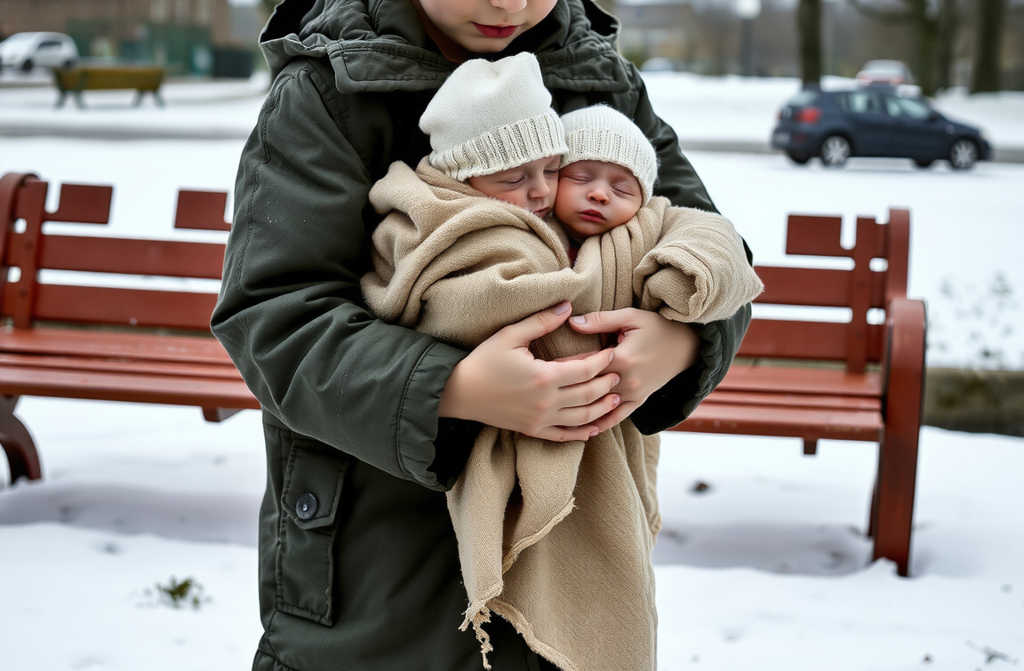
    Snow was falling heavy from the sky, draping the park in a thick white blanket. The trees stood mute. The swings creaked a little in the cold wind, but there was no one to play. The whole park felt empty and forgotten. Through the falling snow a small boy appeared. He couldnt have been more than seven. His jacket was thin and torn, his shoes were soaked and full of holes, but he didnt mind the cold. In his arms he cradled three tiny infants wrapped tightly in old, threadbare blankets.

    His cheeks were pink from the icy wind and his arms ached from holding the babies so long. His steps were slow and heavy, yet he kept moving, keeping the infants close to his chest and trying to warm them with the little heat his body still had left. Welcome to Chill with Harry, and todays shoutout goes to Harriet, whos watching from Yorkshire. Thanks for being part of this brilliant community give the video a thumbs up, subscribe, and let us know where youre watching in the comments. The triplets were very small.

    Their faces were pallid, their lips turning blue. One let out a faint, tiny whimper. The boy lowered his head and whispered, Its okay. Im here. I wont leave you. The world around him whizzed by.

    Cars roared past, people rushed home. No one saw him, no one noticed the boy or the three lives he was trying to save. The snow grew denser, the cold worsened. His legs shook with each step, but he kept going. He was exhausted very exhausted yet he wouldnt stop. Hed made a promise.

    Even if nobody else cared, hed protect them. But his little body was weak; his knees gave way. Slowly, the boy collapsed into the snow, the triplets still tightly bundled in his arms. He closed his eyes and the world faded into a white silence.

    And there, in the frozen park near Manchester, under the falling snow, four tiny souls waited for someone to notice. The boy opened his eyes slowly. The cold bit his skin, snowflakes landed on his lashes and he didnt brush them away. All he could think about were the three babies in his arms.

    He shifted a little, tried to stand again. His legs trembled badly; his arms, numb and tired, struggled to hold the triplets even tighter. He wouldnt let go. He rose with the last of his strength one step, then another.

    He felt his legs might snap beneath him, but he kept moving. The ground was hard and icy; if he fell, the babies could get hurt, and he couldnt let that happen. He refused to let his little bodies touch the frozen ground, even as the cold wind tore at his thin coat.

    Each step grew heavier than the last. His feet were soaked, his hands shook, his heart hammered painfully in his chest. He bowed his head and whispered to the babies, Hold on, please, hold on. The infants made weak, tiny sounds, but they were still alive.

  • On the day I turned eighteen, my mother kicked me out of the house. Years later, fate drew me back to that very home, and inside the kitchen oven I uncovered a secret compartment that held her chilling secret.

    On the day I turned eighteen, my mother kicked me out of the house. Years later, fate drew me back to that very home, and inside the kitchen oven I uncovered a secret compartment that held her chilling secret.

    Diary, 4June2026

    Ive always felt like an outsider watching Emmas life unfold, as if she were a ghost in her own cottage. Her mother, MrsThompson, clearly favoured the elder daughtersOlivia and Graceshowering them with affection and warmth. That favouritism cut deep, yet Emma swallowed her bitterness, constantly striving to please her mother in the hope of earning even a sliver of love.

    Dont even think of staying here! The house will go to your sisters. Youve looked at me like a stray pup since you were a child, so live wherever you please! With those harsh words, MrsThompson threw Emma out the moment she turned eighteen.

    Emma tried to protest, arguing that the treatment was unfair. Olivia was only three years older, Grace five. Both had completed university with their mothers support; no one had pressed them into independence. Emma, however, had always been the odd one out. Despite her best attempts to be good, the familys love for her was merely superficialif it could even be called love at all. Only her grandfather, Henry, showed her genuine kindness. He had taken in his pregnant daughter after her husband vanished without a trace.

    Maybe Mum is worried about my sisters. They say I look a lot like them, Emma mused, trying to rationalise her mothers coldness. She had attempted several earnest conversations with MrsThompson, each ending in a scandal or a tantrum.

    Henry was her pillar. Emmas happiest memories were of the Yorkshire village where they spent summers. She loved tending the garden, milking cows, baking piesanything to delay returning to a home where contempt and reproach greeted her daily.

    Grandpa, why does nobody love me? Whats wrong with me? she would ask, tears barely held back.

    I love you very much, Henry replied softly, never mentioning the sisters or mother.

    Little Emma clung to that assurance, believing she was loved in a special way. When she was ten, Henry died, and the familys treatment grew even harsher. Olivia and Grace mocked her, and their mother always took their side.

    From then on, Emma never received anything newonly handmedown clothes from Olivia and Grace. Their teasing was relentless:

    Oh, what a fashionable top! Sweep the floor for Emmawhatevers needed!

    When MrsThompson bought sweets, the sisters devoured everything, handing Emma only the wrappers:

    Here, love, collect the bits!

    MrsThompson heard it all but never rebuked them. Thus Emma grew up as the unwanted stray pup, constantly begging for affection from those who saw her as nothing more than an object of ridicule. The harder she tried to be good, the more they despised her.

    So, when her mother ejected her on her eighteenth birthday, Emma found work as a hospital orderly. Endurance and hard work became her habit, and at least now she earned a wagethough modest (£120 a week). Here, nobody despised her. If kindness met no malice, that was progress, she thought.

    Her employer even offered her a scholarship to train as a surgeon. In the small market town of Harrogate, such specialists were scarce, and Emma had already shown talent while assisting nurses.

    Life was arduous. By twentyseven, she had no close relatives. Work consumed herliterally. She lived for the patients whose lives she saved, yet loneliness never left her; she lodged in a staff dormitory, just as before.

    Visiting her mother and sisters was a constant disappointment, so Emma went as rarely as possible. When everyone else went out to smoke and gossip, she retreated to the porch to weep.

    One afternoon, a fellow orderly, Harry, approached:

    Why are you crying, love?

    What love dont mock me, Emma replied quietly.

    She saw herself as plain, a grey mouse, never realising that at almost thirty shed become a petite, charming blonde with striking blue eyes and a neat nose. The awkwardness of youth had faded; her shoulders were straight, and her hair, tied in a strict bun, seemed ready to break free.

    Youre actually very pretty! Value yourself and lift your head. Besides, youre a promising surgeon; your future is bright, Harry encouraged.

    Harry had worked beside her for nearly two years, occasionally slipping her a chocolate, but this was their first real conversation. Emma opened up, spilling everything.

    Maybe you should call Edward Whitaker? The man you saved recently. He treats you well and has many connections, Harry suggested.

    Thanks, Harry. Ill try, Emma said.

    And if that fails, we could get married. I have a flat; I wont mistreat you, he added, halfjoking.

    Emma blushed; his tone turned serious. He saw not a pitiful orphan but a woman who deserved love.

    All right. Ill keep that option in mind, she smiled, for the first time feeling she was more than a workhorse.

    That evening she dialled Edwards number:

    This is Emma, the surgeon. You gave me your number and said I could call if there were any problems

    Emma! Brilliant to hear from you! Lets meet for tea and talk. We old folk love a good chat, Edward replied warmly.

    The next day was her day off, so she visited him straight away. She told him her situation and asked if he knew anyone needing a livein carer.

    You understand, Edward, Im used to hard work, but now I feel I cant go on

    Dont worry, love! I can get you a senior surgeons post in a private clinic, and you could stay with me. Without you, I wouldnt be where I am today, he said.

    Of course, Edward, but wont your relatives mind?

    My relatives only turn up when Im gone; they care only about the house, he confessed sadly.

    So they began living together. Two years later a romance blossomed between Emma and Harry, often over tea. Yet Edward never liked Harry and constantly warned Emma:

    Sorry, love, but Harry is a good lad, just softhearted and impressionable. Dont rely on him too much.

    Oh, Edward Its too late. Weve already decided to marry. He even jokingly proposed two years ago. And now Im pregnant Emma announced, glowing with happiness. Youre still very important to me; Ill visit every day. Youre like family.

    Emma, Im not feeling well. Tomorrow well go to the solicitor and register a cottage in the village in your name. Youve always loved the countrysidemaybe itll be your retreat or you can sell it if you wish.

    He paused, then frowned.

    Emma tried to protest; it seemed too much, that a man nearing his seventies would leave a property to a woman she barely knew. Yet Edward was adamant.

    When Emma discovered the cottage stood on the very plot where Grandfather Henry had once lived, her heart swelled. The original house had long been demolished, the land sold, strangers now occupying it. Yet having her own little corner there stirred warm memories.

    I dont deserve this, but thank you, Edward, she said sincerely.

    Only one thing: dont tell Harry the cottage is in your name. And dont ask why. Can you promise?

    He was serious; Emma nodded, promising compliance. How to explain the origin of the cottage to Harry remained a puzzle, but she could claim shed reconciled with her mother.

    Later Emma learned that Edward, besides recovering from a stroke, was battling cancer and refused surgery. In the end she arranged his funeral and moved in with her future husband.

    Troubles began around the seventh month of pregnancyby then they had lived together six months.

    Maybe you should work a bit before the baby arrives, Harry suggested.

    Emma had left the clinic where Edward had secured her a job, hoping to live on savings and Harrys support. His reply shocked her.

    Well maybe she answered uncertainly. It was awkward; she bought the groceries, and Harry turned out to be stingy. Yet the child grew, and she didnt want to abandon the wedding.

    A week before the scheduled ceremony, while Harry was out, an unfamiliar woman entered their flat with her own key.

    Hello. Im Lena. Harry and I love each other, and hes just too shy to tell you. So Ill say it: youre no longer needed, she declared, tall, thin, confident.

    What?! Our wedding is in a few days! Weve paid for everything! Emma stammered. She had funded most of the modest celebration at a café.

    I know. No problem. Harry will marry me. I have connections at the registry; well sort it quickly, Lena said, as if it were already decided.

    When Harry finally appeared, he muttered:

    Emma, Im sorry Yes, its true. Ill help with the baby but cant marry you.

    Well do a paternity test, Lena added, placing a hand on Harrys shoulder.

    What paternity test?! Youre my first and only! Emma shouted, lunging at him.

    Shell scratch you, love! Shes almost thirty but acts like a child! Lena scoffed.

    Harry stood mute, offering no defence. It became clear everything hinged on Lena; he was merely a passive observer.

    Emma began packing. There was no point fighting a man who gave up on her so easily. Lena claimed she and Harry had dated long agoshed been married then, now free. Emma was just a temporary standin until the dream woman returned.

    She could have demanded explanations from Harry, but what use was it when he let Lena walk in and take over?

    So the cottage finally came in handy, Emma thought.

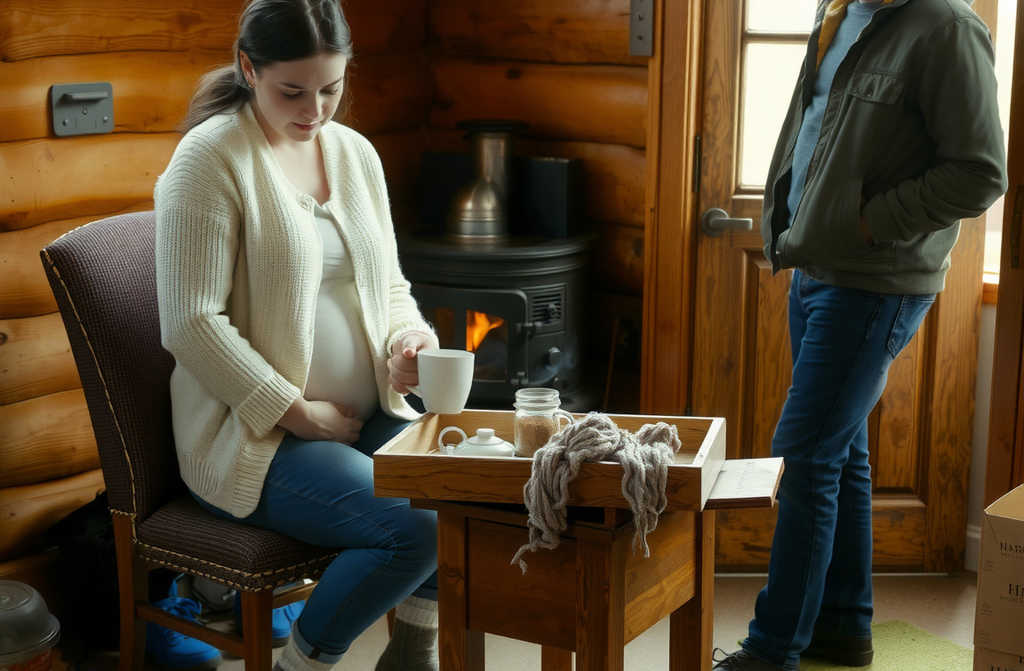
    The cottage was modest, lacking running water, but the old woodburning stove was superbGrandfather Henry had taught Emma everything needed for village life. It was livable. How to give birth alone? She would figure it out.

    Firewood was stacked, the shed sturdy, snow already lying at the doorstep, waiting to be cleared. The woodpiles were fulla true blessing in such a cold winter.

    It helped that Edward had introduced her to the neighbours as the new mistress and wife of his son, so no unnecessary questions followed.

    Emma called her mother and sisters as usual; they, predictably, urged her to give the baby up for adoption and warned, Never get involved with anyone before the wedding. They also gossiped about Harry not returning the wedding money, half of which Emma had paid.

    But no one knew about the cottage. Now Emma could hide, gather herself, and think.

    It was bitterly cold; she hadnt even removed her down jacket. While raking coals in the stove, the poker struck something hard. She slipped off her gloves and pulled out a wooden box that had been wedged among the firewood. It bore a neat inscription: Emma, this is for you. The handwriting was unmistakably Edwards.

    Inside lay photographs, a letter, and a small tin. Her hands trembled as she unfolded the paper:

    Dear Emma, you should know I was your grandfathers brother, and he asked me to look after you.

    The letter revealed a longstanding rift between Henry and Edwards father. Before dying, the elder brother found Edward and asked him to locate Emma after she turned eighteen, leaving her an inheritance his daughter would never give away.

    Edward had struggled to find Emmaher mother and sisters hid her addressbut fate brought them together in the hospital when he was a patient and she his doctor. He wanted to tell her earlier but never had the chance, so he arranged the cottage that Henry had bought from him while alive, knowing his own daughter would never part with it.

    The letters final shock: Emmas mother was not her biological mother. Emma was the daughter of her late sister, the one she had always envied. In a faded photograph, a young couple smiled, cradling a baby girl. Emma survived because she was with Grandfather Henry on the day of the accident.

    Inside the box lay fivehundredpound notes left by Henry. The sight warmed her heart; tears streamed down her cheeks. At last she and her unborn child were safe.

    When she lit the stove, the flames seemed to consume all her fears, betrayals, and resentments. She would start anewfor the baby and for herself.

    Of course, in time she would forgive those who had hurt her, but she was finished with their games. This cottage would be her sanctuary.

    Edward always said a good house should belong to someone who appreciates it. Hed built it in his youth with his own hands, using the finest materials.

    Not a house, but a marvel! It will stand for two hundred years! he used to say. The village is reachable by busjust two stops away.

    Yes, the pay is modest and help with the baby remains uncertain, but the main thing is that she now has a roof, some savings, a profession, youth, beauty, and a son on the way.

    For the first time, Emma truly feels happy.

    **Lesson:** No matter how many doors close, a stubborn heart will always find a windowsometimes hidden in a dusty old cottagewhere hope can finally settle.

  • They Threw Soup on a Pregnant Woman—Only to Discover She Was the Hotel Owner

    They Threw Soup on a Pregnant WomanThen Found Out She Owned the Hotel

    Emily could sense the soup heading her way long before it splashed onto her dress.

    She clocked the look in Charlottes eyes first.

    All the posh guests at the London fundraising dinner acted like nothing had happened, but there it was: a wave of steaming tomato soup pouring down Emilys pregnant belly, ruining her elegant cream gown.

    Oh dear, Charlotte cooed, voice dripping with false sympathy. Clumsy me!

    A ripple of smirks travelled around the ballroom.

    Emily stood her ground beneath the sparkling chandeliers of the Berkeley Grand Hotel, while her ex-husband, Robert, looked on with barely concealed glee.

    He folded his arms. Shouldve stayed home, Em.

    Eight months pregnant and on her own, Emily seemed the perfect punching bag.

    Or so they thought.

    Nobody in the room realised she had quietly bought the controlling shares of the hotel group six weeks prior.

    Robert strode closer, wearing that arrogant half-smile she remembered far too well from their marriage.

    Always loved the spotlight, didnt you? he mocked.

    Emily dropped her gaze to the red stain blooming across her bump.

    Just then, her little girl gave a gentle kick.

    That brought her straight back down to earth.

    Charlotte, grinning, reached for a wine glass next.

    She tipped itslowlyright onto Emilys bump.

    Gasps broke out along the tables.

    Someone murmured, Heartless, that is.

    Robert chuckled, unbothered.

    Emily, perfectly calm, fished her phone out of her handbag and pressed a quick button.

    Yes, madam? the receptionist answered instantly.

    Could you send security to the ballroom, please?

    Robert rolled his eyes. Honestly, this is just sad.

    But moments later, the quartet stopped playing mid-song.

    Security appeared at both doors.

    The hotel manager headed straight for Emily.

    Not for Robert.

    Her.

    Mrs. Carter, he said with deference, would you like us to remove the guests responsible?

    Roberts smug face dropped.

    Charlotte went chalk-white.

    Emily finally looked right at the pair whod humiliated her.

    I actually own this hotel now, she said quietly. And tonight was meant to be a celebration.

    People started whispering everywhere.

    Robert reached out. Emily, please

    She cut him off. You did a fine job embarrassing yourself without any help from me.

    She gave a small nod to the security staff.

    See them out.

    It was the first time since her divorce Emily saw fear flicker in Roberts eyes in place of arrogance.

    Somehow, that healed something inside her.

    For the briefest moment, the whole room stood still.

    Robert hung by the door as though the carpet might swallow him up; Charlotte tried to appear defiant but her trembling hands betrayed her, wine glass rattling noisily against her wrist.

    Emily never believed in having people dragged out.

    Please, she said softly to the guards, be respectful. More than theyve shown me.

    Thatthose wordsshifted the mood in the whole room.

    The same crowd that had laughed behind their hands now looked away, awkwardly. Someone near the vases of lilies stood up and called gently, Sorry, Emily. Then another. And another.

    But Emily didnt need apologies now.

    She just needed a little space.

    Mr. Harvey, the manager, took off his jacket and wrapped it around her ruined dress. Theres a private lounge ready for you, Mrs. Carter.

    Emily nodded, legs shaky now the ordeal had passed. In a quiet sitting room behind the ballroom, the hotels head housekeeper, Mrs. Branson, appeared with a stack of warm towels, a soft navy robe, and a perfect cup of tea with a slice of lemon.

    My love, Mrs. Branson whispered, dabbing tomato from Emilys sleeve, I worked here years agowhen your mother used to make the rounds.

    Emilys head came up.

    Nobody else knew that part.

    Her mum had been a seamstress at the hotel years earlier, sewing hems on fancy dresses, shortening curtains, mending napkinscoming home late every night with the scent of starch, roses, and kitchen steam. Emily would sit at their little table, watching her mothers nimble fingers repair silk, smiling through her tiredness.

    Her mum always said, Places arent grandpeople are.

    After her divorce, while Robert strutted around telling everyone she was lost, Emily disappeared from sight. She spent her days listening to staff, learning the ins and outs of every corridor, kitchen, and storeroom, getting to know not just the rooms but the people inside them.

    She didnt take over the hotel to get even with Robert.

    She did it so thered be a corner of the world where nobody mistook cruelty for authority.

    When Emily returned to the ballroom, she wore a navy blue dress Mrs. Branson had found in the staff wardrobe. Her hair was swept up, her face pale but steady, one hand gentle on her bump.

    The room fell quiet.

    She went straight to the microphone.

    Were still carrying on tonight, she said. But from this moment, this hotels true celebration is every person who serves, cleans, cooks, lifts, repairs, and cares. No one working here should ever feel unseen.

    Mrs. Bransons eyes brimmed with tears.

    Waiters and waitresses across the hall stood a little taller.

    Emilys voice softened.

    And about what happened I wont be taking it home with me. My daughter deserves a mother with space in her heart for joy, not resentment.

    At the door, Robert stood there, suddenly small.

    Emily, he croaked, I never knew.

    She looked at him a long moment.

    No, she replied gently. You never wanted to.

    She turned away, not angry, just free.

    Later, when the guests drifted out and the chandeliers dimmed, Emily wandered onto a balcony, looking down as London glittered in the rainthe lamps below shining like tiny stars on wet pavements.

    Her daughter gave a kick.

    Emily smiled, tears blurring her view, both hands on her bump.

    Its you and me now, she whispered. And were going to be just fine.

    Behind her, Mrs. Branson laid a folded cream blanket across her arms.

    For your little one, she said.

    Emily breathed in the soft lavender scent and pressed the blanket to her heart.

    Under those golden lights, she realised:

    Some endings dont break you.

    Some endings bring you home to yourself.

    You know, telling you this made me thinkhave you ever had a moment when someone really underestimated you, and then life just quietly proved them wrong? Id love to hearA sudden peal of laughter sounded from the kitchenreal, belly-deep laughterand Emily glanced down to see Mrs. Branson, apron askew, surrounded by chefs and porters, holding court with a story from years past. Someone caught Emilys eye and grinned; instantly, something in the air had shifted. The staff moved easily, unburdened, belonging.

    For the first time, Emily truly felt part of something bigger than herself.

    She wrapped the blanket tighter, the weight of old hurts melting away beneath the gentle promise of the life she was nurturing. She thought of her mothers hands, of every mended seam, every kindness quietly paid forward in a world that expected her to be invisible.

    They had seen her tonightfinally truly seen her.

    As she watched new friends share a late-night bowl of soup, laughter echoing up from the marble halls below, Emily understood: the measure of a place wasnt crystal or linen, wasnt the pedigree of its guests. It was how it cradled people through storms and sent them back into the world a little braver, more whole.

    Downstairs, someone turned on the ballroom music againsomething light, sweet, full of hope. A young porter twirled a laughing chambermaid under the dim chandelier. The future felt wide enough to stretch out in, warmed by possibility.

    Emily closed her eyes and let the citys soft shimmer wrap around her. The world hadnt broken her; it had taught her to stand. To be better. For herself, for her child.

    Some things, she realized, dont end.

    They begin againbrighter, strongerwhen you least expect it.

    And with that, Emily stepped into her tomorrow, ready for everything that waited there.

  • “Don’t sign that contract,” the housekeeper whispered to the billionaire during the negotiations—what she said next left him frozen.

    “Don’t sign that contract,” the housekeeper whispered to the billionaire during the negotiations—what she said next left him frozen.

    Blythe wakes before dawn in her tiny flat in East London, the cheap alarm ticking away. She silences it quickly, careful not to rouse her younger brother Tom, who lies still, his pale face and shallow breaths a reminder of the illness that is slowly draining him. While she whips up a modest breakfast, Blythe worries about the cash she needs for Toms medication. Her parttime cleaning job barely covers the rent, and the bills seem to multiply each week.

    Today will be better, she mutters, smoothing her grey uniform before heading out. The glass façade of Whitmore Enterprises looms over the street, a sleek contrast to Blythes modest world. Every morning she slips through the revolving doors with a shy smile and heads straight for the locker room.

    She is invisible to most staff, which, deep down, suits her fine. On this particular morning, Charles Whitmore, the companys owner, moves about with an unusually tight jaw. The millionaire, famed for his indifference and exacting standards, is gearing up for an important meeting with overseas investors.

    His immaculate suit and haughty posture make him an intimidating presence. I will not tolerate any mistakes today, he tells his team before striding into the conference suite.

    Blythe glides down the corridors, quietly cleaning as the employees bustle, nerves evident in their hurried movements. When the hour arrives, Charles enters the room with his lawyers. The investors are already there, leafing through documents and exchanging calculating smiles.

    Tasked with a quick tidyup before the session begins, Blythe wipes the polished table, trying to stay unseen. The doors close, but a sliver remains ajar. From the hallway she catches fragments of the discussion.

    One of the investors, an elderly gentleman with a thick accent, urges Charles to sign the contract immediately. This is an opportunity you cannot miss, Mr. Whitmore, he says. Charles replies coolly, I do not make hasty decisions. My team will review everything first. Though his tone is firm, the pressure on him is palpable.

    Blythes breath catches when she hears the name of one of the investors. Her heart stopsit is a man linked to the financial collapse that ruined her fathers life years ago. The memory of fraud that cost her father his health and their home surges forward.

    Without thinking, she darts into the conference room, ignoring the startled looks of those inside. Charles, stop! Do not sign that contract, she says, voice trembling yet determined.

    The room falls silent. Charles rises slowly, his face a mix of confusion and anger. What are you doing here? he snaps.

    Blythe lowers her eyes, refusing to retreat. Im just trying to warn you. This man is unreliable. My family lost everything because of someone like him, she declares. Charles fixes her with a cold, scrutinising stare. And who are you to tell me what to do? he retorts, his words cutting like a knife.

    She feels she has crossed a dangerous line, but she stands her ground. I have nothing to lose, Charles. I just wanted to warn you, she says, the tremor in her voice unmistakable.

    Charles smirks, turns to his team and orders, Remove her and make sure she never interrupts me again. Security escorts Blythe out; her heart pounds, tears well up, but she knows she has no choice.

    The conference doors close behind her, yet the muffled voices inside continue. Inside, Charles attempts to regain control, his expression unreadable but his eyes tense. He glances at the investors, whose attention has shifted because of the interruption. I apologise for the inconvenience, he says calmly, masking any emotion. These things happen. My employee must have been overwhelmed. We will address it.

    The senior investor, a man with a heavy foreign accent, asks, Mr. Whitmore, are you sure everything is under control? Charles nods, maintaining composure. Of course. Thank you for your understanding. Lets continue.

    The atmosphere remains charged. After another halfhour of discussion, the investors decide to postpone. Perhaps we should reconvene at a later date, when conditions are more favourable, one suggests. Charles agrees, realizing pushing forward now would be futile.

    When the investors leave, Charles sits alone, breathing deeply to calm his irritation. Blythes words replay in his mindher courage, her desperation, the fierce look in her eyes. He cannot simply ignore what happened.

    Back in the cleaning cupboard, Blythes hands shake as she gathers her things. She knows her actions may cost her the job, but she feels she had no other option. She hears the faint echo of the meeting behind the closed doors, and the memory of Charless cold stare lingers.

    At the end of her shift, Blythe summons the courage to visit her boss, Helen, in her office. Helen, I need to apologise, Blythe says, I overstepped, but I couldnt stay silent. Helen looks up, a mixture of sternness and curiosity in her eyes. Whitmore could have fired you on the spot, she remarks. I know, but I thought it was the right thing to do, Blythe replies, lowering her gaze. After a pause, Helen says, Carry on as normal. Dont worry. Blythe leaves a little lighter, though uncertainty still shadows her.

    From his sleek office, Charles watches Blythe exit. Over the years he has learned not to trust anyone who challenges his authority, yet this cleaning lady has taken a risk without expecting any reward. He flips through a stack of documents, sighing. For the first time in years, someone has disturbed his cold, orderly world.

    He presses the intercom. Laura, call the analyst who reviewed those investors, immediately. Within minutes, Peter, a middleaged senior analyst, steps in, nervous. Did you call for me, Mr. Whitmore? he asks. Charles points to a chair. Sit down, Peter. He slams a folder of dubious transactions and hidden lawsuits onto the desk. How could you have missed this? Charles demands. Peter scans the papers, stammering, We followed standard protocols. At first glance everything looked clean. Charles cuts him off, This isnt negligence. Youve jeopardised the company and thousands of jobs. Peter swallows, We can redo the check. Charless voice hardens, I need results, not excuses. He dismisses Peter, Youre dismissed. Peter leaves, cheeks flushed, and Charles sits alone, the room silent.

    He then calls the chief legal officer, Alexander. Suspend all negotiations with these investors until we have full clarity. Alexander asks, What made you change your mind? Charles pauses, recalling Blythes face. Call it intuition, he answers curtly.

    That evening Blythe returns home, her heart heavy. Tom, still frail, sits up in bed with a pencil and an old sketchbook. Mum, Ive drawn another house, he says, smiling. Blythe looks at the picturea cosy home with a garden and a bright sun. One day well live there, Tom, she says, trying to sound confident. Really? he asks, eyes sparkling with hope. Of course, love, she replies, kissing his forehead before starting dinner.

    She cannot stop thinking about Charles. Why hasnt he acted after her interruption? The contract still lies on his desk, alongside the other documents. His thoughts drift back to her words: This man is unreliable. My family lost everything because of someone like him. The image of Blythes determined face haunts him. He sighs, presses the call button, and leans back, staring at the London skyline. He tells himself the suspicion is just instinct, but the evidence is mounting.

    The next day Blythe walks through the building, noticing the curious glances of colleagues. Whispers follow her: What was she thinking? I dont know, but I hope Charles doesnt fire her. She nods, aware that Charless reputation for ruthlessness is wellknown.

    Charles continues to pore over the investor files. The more he reads, the clearer it becomes that Blythe may have saved him from a disaster. Financial reports reveal shady intermediaries, hidden lawsuits, and contracts that have driven other firms into bankruptcy. His irritation builds as he realises his own team has endangered the companys future.

    He presses the intercom again: Laura, arrange a dinner at my house. Invite Blythe and Tom. Laura, surprised but obedient, books the evening.

    When the invitation arrives, Blythe is startled. She is not used to such gestures. Her friend Sonya, ever supportive, urges her to accept. Its your chance, Blythe. You deserve a night out, especially with someone like Charles, Sonya says. Blythe hesitates, then agrees.

    At Charless stylish townhouse in Kensington, Blythe arrives in a simple yet elegant dress, Tom in his favourite sneakers. Charles greets them warmly. The dinner is relaxed; Tom chats animatedly about his drawings, and Charles listens with genuine interest, casting occasional, softer looks at Blythe.

    When the evening ends, Charles escorts them to the door. He takes Blythes hand briefly. Youve changed a lot, Blythe, he says quietly. Thank you, she whispers, unsure how to respond, but a new feeling flickers inside her.

    Days later, during a lunch break, Sonya leans in, conspiratorial. Have you noticed Charles always finds reasons to be near you? Blythe protests, Hes just checking on Tom. Sonya smiles, Sure, but its obvious he likes you. Blythe shakes her head, though her thoughts keep returning to Charless lingering gaze.

    Charles, meanwhile, finds himself seeking Blythe out more oftenpassing her in the corridors, stopping by the break room. He cannot ignore the shift in his perception; her modesty, strength, and devotion to her brother impress him. He finally decides to speak plainly.

    Blythe, he says, gesturing for her to sit, I need to be honest. Our worlds are different, but since you stepped into my life, things have changed. Youve shown me what courage and honesty look like. Blythe looks startled. I I dont know what to say, she murmurs. Charles softens, Call me Charles. They sit in quiet, the tension easing.

    Later that night, Blythe lies awake while Tom sleeps, her mind replaying the conversation. She feels both hope and fear. For the first time in years, she dares to imagine a future beyond survival.

    The following week, Charles invites Blythe and Tom over again, this time for a casual barbecue in his garden. Tom proudly displays a new drawing of a family portrait, and Charles laughs, genuinely impressed. After dinner, Charles steps onto the terrace, the city lights twinkling below. Blythe, would you let me be part of your life, not just as a benefactor but as someone who truly cares for you and Tom? he asks.

    Blythes voice shakes, Im scared. Our lives are so different. Charles replies calmly, Differences dont matter if we both want this. Im willing to walk this path with you.

    Tears well up as she whispers, Thank you. He smiles, giving her space, letting the moment linger.

    In the weeks that follow, Charles becomes more involved in Blythes and Toms lives, proving his words are not empty promises. Toms health improves, his smile returns, and the bond between Blythe and Charles deepens.

    Months later, they hold a modest wedding in a charming chapel in the countryside, surrounded by the few friends and colleagues who have supported them. Tom, wearing a tidy suit, stands proudly beside his sister. As Blythe walks down the aisle, Charles whispers, You are everything Ive ever wanted. She replies, And you are my new chance at happiness. Their vows draw applause, sealing a future they never imagined possible.

    After the ceremony, they move into a cosy semidetached house in a leafy suburb, ready to build the life they have fought so hard to create.

  • Abandoned in the Snow With Only a Note — Yet One Kind-Hearted Stranger Couldn’t Turn His Back

    Someone Left Her in the Snow With Only a Note But One Man Refused to Walk Away

    Please, God dont let me just disappear here, the little girl whispered into the frost, not knowing the man passing nearby would never quite be the same after that night.

    The storm had swallowed up Windermere in Cumbria like a hungry white blanket. Cars were hidden beneath drifts, the shopfronts flickered out one by one, and even the church bell forgot how to ring properlyas though the whole town had fallen under a giant cosy duvet.

    David Fletcher was trudging across the courtyard of his old inn when he heard it.

    At first, he thought it was just the wind, pawing at the pub sign like an impatient cat. He hunched deeper into his wool coat and pressed on. But then came the sound againsoft, fragile, hardly belonging to this wintry world at all.

    Mummy Im cold.

    David stopped dead.

    Over by the frozen fountain, underneath a bench smothered in snow, something trembled.

    He sprinted.

    Curled up there was a little girlcouldn’t have been more than fiveshivering in a thin canary-yellow frock, one battered mitten, and little shoes that squelched when she moved. Snow dusted her lashes. Her lips quivered, but her eyes were eerily calm, as if shed already given up hope that anyone was coming.

    For a moment, Davids heart forgot to beat.

    Three years before, when his wife Elizabeth died, hed sworn off letting love turn him into a puddle ever again. He filled his days with guests, paperwork, log fires, and courteous nods. But that night, as he crouched in the snow, every chilly wall hed built came tumbling down.

    He bundled the girl up in his coat and carried her inside.

    The staff ran for duvets, fluffy towels, and endless cups of strong tea. The little girl kept one hand tightly round a secret. Only when she drifted off to sleep did David see what she clung toa crumpled note.

    Please forgive me. I cant look after her anymore.

    No name. No clues. Just the childs first name at the bottom.

    Abigail.

    By morning, the police confirmed Davids worst fear. Nobody had reported her missing. Someone had left her in the blizzard and disappeared.

    For hours, David sat by her bedside, listening to her gentle breaths. When Abigail finally woke, she peered round the room and asked one question:

    Am I still outside?

    Davids throat nearly seized up.

    No, love, he said quietly. Not anymore.

    As spring edged in, everyone in Windermere remembered the storm, but David only recalled that moment Abigails small hand reached for his.

    That Christmas, the inns lounge was lively with guests and twinkly music. Abigail hung a paper star on the tree and turned to David.

    Could this be our home?

    And for the first time in years, David grinned for real.

    It already is.

    That night, after Abigail settled beneath a patchwork quilt in the tiny attic room over the kitchen, David lingered alone in the hushed lounge.

    The air was thick with pine, clove, and apple pieMrs. Harper always baked too late, insisting that no house should sleep without the smell of pudding.

    David turned over the crumpled note again in his hands.

    Please forgive me. I cant look after her anymore.

    Hed stared at those words until the paper went soft at the edges. At first, hed been furious. Who leaves a child in the snow? Who walks away while a little girl whispers for help beneath a frostbitten bench?

    But then he noticed another detaila faint impression on the back, barely visible, like a ghost of a name.

    Helen.

    There was no ink. Perhaps the note had lain atop another page, the pressure of desperate writing leaving just a shadow.

    David didnt sleep that night.

    At sunrise, he quietly asked around. Windermere is a small place. People remember things. Mrs. Godwin in the bakery recalled a tired-looking young mum, buying a roll and asking if the church still left its side door open when it snowed. The chemist remembered her tooa pale woman, coughing and holding Abigail too close.

    By Friday, David pieced together the truth.

    Helen Turner had arrived only two days before the snowfall. She had no relatives nearby, nowhere warm to wait out the storm, and was sicker than anyone guessed. That night she left Abigail under the bench, she hadnt gone far.

    Shed collapsed just past the chapel.

    And shed been found too late to tell her story.

    All of Davids righteous anger melted away so quickly he had to sit down.

    For days, hed imagined a heart of ice.

    But what he found was just a broken one.

    Helen hadnt left Abigail because she didnt care. Shed found a spot with lights still glowing, right where David passed every eveningmaybe, with the very last bit of strength, shed carefully chosen the one place where someone might actually hear a child calling.

    David went upstairs in the gloom.

    Abigail was sitting cross-legged on the rug, tongue poked out in concentration, wrestling with the buttons on a red jumper Mrs. Harper had found in a trunk. One button was wrong, and her face was deadly serious.

    David knelt and fixed it gently.

    Did my mummy come back? Abigail asked, just above a whisper.

    It nearly undid him.

    He took her chilly hands and held them.

    No, darling. Im so sorry. But I think she tried very hard to make sure youd be safe.

    Abigail searched his face for a long time.

    Was she scared?

    Davids chest tightened.

    I think she was, yes. But she loved you more than anything in the world.

    The little girl leaned forward and rested her forehead against his shoulder.

    For the first time, she properly cried.

    Not the frightened yelps of a lost child, but the long, heavy sobs of someone whod lugged too much sorrow for too long. David held her, and waited, and didnt rush her. Mrs. Harper watched with silent tears glinting in her eyes, tea towel clutched tightly in her hands.

    And from that moment, the inn changed.

    Not in a grand, noisy way.

    In small, beautiful ways.

    A yellow mug appeared next to Davids grown-up brown one at breakfast. Little wellies dried out by the fire. Ribbons tangled among the washing. A wooden stool shuffled up to the counter so Abigail could scatter flour everywhere but on the actual scones.

    David, whod once eaten standing up and replied to people with grunts, began to linger at the table.

    He learned to plait hairawfully at first, then tolerably. Abigail liked her porridge with a smidge of brown sugar but not much milk. She hummed when anxious, and kept a spare button from her mummys old mac under her pillow.

    When daffodils and crocuses sprouted along the driveway beside the inn, a friendly lady from Social Services arrived with a manila folder and a reassuring smile.

    There were forms to read. Questions to answer. Promises to give.

    David scrawled his signature.

    Abigail, wearing a blue dress and swinging her legs, waited beside him. When the woman announced it was all settled, Abigail looked up and whispered, Does that mean I can stay even if Im naughty sometimes?

    David blinked in surprise.

    Especially then, he said. Thats what staying means.

    Even now, years later, folks in Windermere still retell the story of the girl found in the snow.

    But they rarely get the ending right.

    They say David saved Abigail.

    Mrs. Harper always snorts when she hears that.

    No, she says, pouring out tea into mismatched floral cups, That child saved him as well.

    And shes quite right.

    Because on peaceful evenings, when the inns windows glow amber against the Cumbrian sky, David is often seen out on the porch, Abigail cosied up under a woollen blanket at his side.

    The old fountain now sings again in winter. David keeps a lamp beside itnot because he expects another lost soul, but because some lights ought to stay burning.

    One Christmas Eve, Abigail placed a small paper angel upon the top of the lounge tree. Shed folded it from the same plain white paper as the note her mother left behind.

    Neatly penned on its wings, in careful childish handwriting, it read:

    For Mummy Helen, who helped me find my way home.

    David was there, a hand resting gently on her shoulder.

    Outside, snow started to fall again, slow and gentle, softening the world into white.

    But this time, no one was lost in it.

    And inside the inn, where the fire crackled and the air was all cinnamon and warmth, a small girl looked up at the man whod found her, and smiled as though she finally believed people could be gentle.

    Has someone ever appeared in your life at the moment you needed them the most?

    Be honestwhich part of Abigail and Davids story made your heart squeeze a little?

  • The Mother They Tried to Wipe from History

    The ballroom is frozen in time.

    No glasses are raised, no soft voices dare to break the quiet. Even the string quartet in the gallery falters, the melody fading away mid-note.

    On the shining parquet floor, Alexander Bennett kneelshis hands enfolding the trembling fingers of Margaret Ellisas if the universe has finally returned what it once ruthlessly took from him.

    Margaret simply stares, unable to pull her gaze from him.

    At this man she ought not know.

    At this voice that seems saturated with grief, memory, and the hint of something achingly familiar.

    I I dont understand, she breathes.

    Alexanders jaw stiffens.

    You dont remember me, he replies gently. But I have never once forgotten you.

    Behind them, the room teeters on the edge of mayhem.

    Isabella steps back, her poise finally giving way.

    This is preposterous, she hisses. Shes no one. You must be confused.

    But Alexander finally meets her eyes.

    One glance is all it takes to silence Isabella completely.

    No rage.

    No menace.

    Recognition.

    I am not confused, he says quietly. And I suspect you arent either. You simply never knew who she truly was.

    Steadying Margaret, Alexander helps her to her feet.

    Her legs feel weak, her breathing unsteadybut she doesnt shrink from him.

    Because something in his touch carries the comfort of a safety she had no idea she needed.

    With careful hands, Alexander slips off his jacket and wraps it around her shoulders.

    He scans the ballroom.

    His gaze lands on James.

    Then, Isabella.

    And finally, each guest who chose to ignore instead of intervene.

    My mother vanished twenty years ago, he says, his voice carrying across the hush. Not by her own will. Because of circumstances I was too young to prevent.

    He pauses.

    And I swore to myselfif I ever saw her again, I would ensure she was never invisible.

    Margarets lips part in disbelief.

    Something in her chest quivers.

    A memory flickersblurry, incomplete, but weighted with heartache.

    A little boy crying at Kings Cross.

    A promise she once believed was only a dream.

    Alex she whispers, uncertain.

    His face softens at once.

    Yes, Mum. Its me.

    A soft gasp breaks through the crowd.

    Isabellas arms fall limp.

    James looks at his mother, truly seeing her for the first time all night. But the harm remaining in the silence cant be undone.

    Alexander leads Margaret away from the scattered pieces of music on the floor.

    Each step lightens her burdennot because the pain has evaporated, but because she is no longer shouldering it by herself.

    When they reach the centre of the room, he halts.

    Tenderly, he brushes a strand of hair from her cheek.

    I searched for you everywhere, he says. I never stopped.

    Margarets eyes well, not with confusion now, but with something warmer.

    What made you return now? she asks quietly.

    He musters a small, wounded smile.

    Because I finally became strong enough to face what I lost and bring you home.

    The silence that follows humsnot with emptiness, but with meaning.

    It is thick with understanding, regret, and something not far from forgiveness.

    Later that evening, the grand hall is no longer a venue for shame.

    It is transformed into something new.

    A place where a mother stands, no longer at the edges, but at the centre of an unfinished story.

    Alexander doesnt let go of her hand. Not once.

    Not even as they step outside into the cool London air, the city lights blinking like silent witnesses to an impossible reunion made real.

    Standing beneath the canopy of stars, Margaret finally recalls something shed let slip away for too long.

    She wasnt discarded.

    She wasnt forgettable.

    She was simply found, at last.

    Have you ever witnessed a moment when someone the world dismissed became the whole world to someone else?

    If you have a story or a thought, I would genuinely love to hear what you have to share.

  • Shards of FriendshipShards of Friendship

    So, Emily got back to their flat after one of those really draining days. She pushed open the door and just mechanically slipped off her shoes, the way she moved showing how worn out she felt, more from the mental side than anything physical. The hallway felt oddly still, with only the faint buzz of the telly drifting in from the kitchen. She paused there a moment, like she had to steel herself before taking another step. She needed a bit of time to shake off the outside world and settle into the home feeling, but today that switch was harder than ever.

    Eventually she headed into the kitchen. Oliver, her husband, was at the table with a bowl of soup, eating slowly and glancing at the screen now and then. As soon as she appeared he noticed and lifted his eyes.

    “You’re back earlier than usual. Everything alright?” he asked, and the concern in his voice was real.

    Emily dropped into the chair opposite without a word. She wrapped her arms around herself, like she was trying to get warm or fend off something you couldn’t see. From the way she sat and looked, Oliver knew straight away something serious had happened.

    “No, it’s not,” she answered quietly, staring off somewhere. “I just came from Hannah’s. We… we don’t seem to be friends anymore.”

    Oliver set his spoon down right then. His face turned focused and attentive. He didn’t jump in with questions, giving her room to gather her thoughts, but everything about him said he was right there listening.

    “What happened?” he asked at last, with genuine worry.

    Emily drew a deep breath, like she needed the courage to lay it out properly.

    “It’s all down to her husband,” she started. “Can you believe William cheated on her. And instead of dealing with him, she went after that poor girl, calling her every name under the sun and saying she ‘knew he was married but still went for it anyway.’” Emily’s voice wavered but she kept on. “I tried to calm her down, explain that the girl wasn’t to blame, William was, and she needed to talk to him first… But she wasn’t hearing a word. She shouted that I wasn’t supporting her, that I was on the side of that… that backstabber.”

    Oliver turned the spoon in his hands, thinking, though his appetite had gone. The question slipped out before he could stop it he needed the whole picture.

    “Did the girl actually know everything?” he asked, watching Emily.

    Emily threw her hands up like the idea was absurd.

    “No, not at all!” she said, all heated. “She had no idea William was married. He told her he’d been divorced for years and never showed his passport or anything. I kept trying to get Hannah to see it was William who lied, not the girl. You can’t blame someone for another person’s deceit!” Her voice shook again as she went on: “But she just snapped at me. Said I was ‘defending women like her’ because ‘I’m not exactly innocent myself.’”

    Oliver frowned. It bothered him to hear his wife’s friend twist things around and throw in those sly hints.

    “That’s a bit much,” he said. “What came next?”

    Emily gave a bitter little laugh, and the hurt she was holding back showed right through.

    “It got worse after that,” she said softly. “Hannah started telling all our mutual friends that I was defending the girl way too strongly. ‘Why would she do that,’ she says, ‘maybe Emily’s got something to hide herself?’ Can you imagine?” She looked at Oliver, and confusion flickered in her eyes. “I thought a friend would back you in a tough spot, but she turned it around and painted me as the guilty one with these nasty suggestions!”

    A heavy quiet settled in the kitchen. The telly kept going but neither of them was paying it any mind. Emily fiddled nervously with the tablecloth edge, like the simple movement gave her some comfort. It stung to realise someone she’d seen as close could turn on her so easily.

    “And the worst bit is I only wanted to help her,” she went on quietly, eyes still on the snowy courtyard outside. “I was trying to say the anger should go towards the one who was actually responsible. But she flipped it all upside down! Now half our friends are buying into it. They’re giving me sideways looks, whispering!” There was more bitter confusion than anger in her voice how could they swallow such a daft lie so quickly?

    Oliver stood up, came over and gently put his arms around her shoulders. His touch felt warm and steady, like a reminder that no matter what, there was someone who believed her.

    “You know the truth is on your side,” he said calmly but with real certainty.

    “I know,” Emily nodded, finally looking away from the window. “But it doesn’t make it any easier. All those years of friendship ending like this, over lies and foolishness…” She sighed and rubbed a hand over her face, as if trying to wipe away the tiredness and disappointment. “It really hurts…”

    The next few days Emily tried not to go out much. Every time she pictured bumping into someone in the courtyard or at the shops, a wave of worry would rise up. She hated catching those sideways glances from neighbours or hearing muffled whispers behind her. Sometimes people would go quiet when she appeared or switch topics, and it cut deeper than she liked to admit.

    At home she kept herself busy with chores shifting books on shelves, doing a big tidy, cooking something that needed attention. But even then her thoughts kept looping back to how fast and completely her life had shifted. She caught herself wishing she could just get away for a while, to not see those faces or hear the talk. The idea of heading somewhere else where nobody knew her or Hannah or the whole mess started feeling more and more appealing. She wanted quiet and space, a chance to breathe without worrying what others thought or assumed.

    Sometimes she’d picture climbing on a train or plane, watching the city fall away, with only the unknown and some peace ahead. But for now it stayed daydreams. She still had to live right here, where every day reminded her how a friendship that seemed unbreakable had fallen apart in a moment.

    One evening Emily and Oliver settled in the kitchen, mugs of tea steaming on the table, the soft lamp light on. It was dark outside already, and the odd snowflake swirling in the streetlight made everything feel private and still. They drank quietly, each wrapped in their own thoughts, until Oliver broke the silence.

    “You know, I’ve been thinking…” he began carefully, like he was testing the words. “Maybe we should move? Even just to the other side of London. Just to change the scene, have a breather.”

    Emily slowly raised her eyes to him. Surprise mixed with caution showed there. She hadn’t expected the suggestion, and it set her heart beating faster from nerves or maybe a faint hope.

    “Do you reckon it would help?” she asked, trying to keep her voice steady even though everything inside felt tight.

    “I’m sure it would,” Oliver replied firmly but without pressure. “You need time to get through this. Here there’s too many reminders, too many people who believe the gossip,” he paused, choosing his words. “You run into it every day and it won’t give you any rest. If we go, you can breathe out, look around, work out how to carry on.”

    Emily stared into her mug thoughtfully. The thought of moving felt scary and tempting at once. On one side, they’d have to leave the life they’d settled into the flat they’d made theirs over years together, the friends who hadn’t turned away in all this. She imagined explaining a sudden move to colleagues, hunting for somewhere new, getting used to unfamiliar streets and faces. Those ideas made her uneasy.

    On the other side, different pictures popped up straight away: a quiet spot where nobody knew her name or whispered behind her back, mornings without anxious thoughts about what someone had said yesterday. A chance to start fresh, leave this painful mess behind that seemed to cling like sticky cobwebs.

    She turned the pros and cons over in her head, weighing them, trying to picture what life would look like there. Fear of the unknown fought with the urge to break out of the closed loop.

    “Alright,” Emily said finally, and determination came through her voice even if it shook a little. “Let’s try.”

    Oliver smiled, restrained but clearly relieved. He knew the decision hadn’t come easy and valued her readiness to keep going despite the doubts.

    “Brilliant,” he said, giving her hand a light squeeze. “We’ll start looking for a good place. Maybe something cosy near some green, where we can walk and get some fresh air.”

    Emily nodded, feeling a small warm spark of hope start to grow inside. Maybe this really was a chance to begin again not running from problems, but just giving herself a break so she could come back stronger later.

    They got stuck into finding a flat in another part of town. At first it seemed like it would be simple, but it turned out trickier. Every day Emily and Oliver checked listings, rang agents, went to viewings. Sometimes a place looked perfect in the photos but felt cramped or unwelcoming in real life. Other times the area didn’t match what they hoped for too much road noise, not enough greenery, or awkward transport.

    The process moved slowly, but both knew not to hurry. They wanted exactly the right spot where they’d feel comfortable, where they could truly rest and recharge. Oliver took on most of the organising the calls, the paperwork while Emily looked closely at every option, imagining if she could see herself living there.

    In the gaps between searches Emily thought more and more about Hannah. The hurt still sat inside, sharp and unpleasant, but now mixed with something else a sad understanding that their friendship hadn’t been as solid as she’d always thought. She remembered sharing the deepest things, supporting each other through hard times, celebrating wins together. Now, looking back, she tried to work out when something had gone wrong, where the turning point had been after which it all collapsed.

    One day, deciding to take a break from the flat hunt, Emily started sorting through old photos. She carefully moved shots from one album to another, recalling events, faces, feelings. Suddenly she came across one of her and Hannah laughing on a beach. The sun was bright, wind playing with their hair, genuine joy and carefree looks on their faces. Back then they were happy, chatting about the future, making plans, dreaming of trips. Now it all seemed like a distant dream, almost unreal. Emily looked at the photo for a long time, and a longing for those simpler times spread through her chest.

    “Maybe I should try talking to her again?” the thought flashed up. She pictured ringing Hannah, suggesting they meet and discuss everything calmly, without shouting or blame. But straight away the scenes from their last meeting came back, Hannah’s words, her cutting tone, the groundless accusations… No, it would be pointless. Emily sighed and tucked the photo away in a far corner of the box. Clearly some paths really do lead nowhere, and you can’t go back.

    A month later they finally found a suitable flat. Small but very bright, with big windows letting in plenty of light. The area turned out quiet and green, with cosy courtyards and a park nearby. The agent letting it mentioned straight away that the owners valued peace and decent tenants, which only made the place more appealing.

    The move took several days. They shifted things in small batches so they wouldn’t get too tired, unpacked boxes together, arranged the furniture. Oliver joked that now they knew the contents of every box off by heart, and Emily laughed, saying at least they wouldn’t have to hunt for things for ages afterwards.

    When the last boxes were unpacked and the flat started to feel lived in, Emily walked slowly through the rooms. She stopped at a window, looking at the trees in the courtyard, the playground, people strolling along the pavement. In that moment she felt a strange relief light, almost weightless, but clear. Everything here was new, clean, free from old hurts and unpleasant memories. This was a place where she could start gathering herself back together bit by bit, where there wouldn’t be sideways looks or whispers behind her back.

    Emily breathed in deeply, feeling the clenched springs of tension inside gradually loosen. Maybe this was exactly the chance not to run from problems, but simply to give herself time to come back to herself and work out how to live next.

    Before they left the old place Emily did something she thought about for a long time afterwards. She couldn’t say exactly what pushed her to it whether it was wanting to set things right or a last attempt to draw a line under the whole tangled mess. Either way she rang William, Hannah’s husband, and suggested they meet.

    They arranged to meet at a small cafe on the edge of town a spot where mutual friends were unlikely to see them. Emily arrived a little early, ordered tea and sat there, nervously watching the door. When William finally showed up she noticed how on edge he looked: adjusting his shirt collar, running a hand through his hair.

    “Hi,” he greeted her a bit stiffly as he sat down. “To be honest, I’m surprised you wanted to meet.”

    Emily took a sip of tea, pulling her thoughts together. She’d planned what to say, but now looking at his face she suddenly doubted if this was the right move. Still, there was no backing out now.

    “I know you’re planning to file for divorce,” she said directly, meeting his eyes. “And I know Hannah’s putting together ‘proof’ of your cheating. She’s going to make it look like you’re the only one at fault in the marriage falling apart. But she’s got her own mistakes too. Like that business with the trip to Manchester…”

    William froze, his fingers tightening around his cup. He clearly hadn’t expected this turn. For a few seconds he just stared at Emily, trying to work out if she was serious.

    “You want…” he began, but didn’t finish, as if afraid to say what he was guessing.

    “I want you to have a fair chance,” Emily interrupted, trying to sound firm. “So the court sees the full picture. Hannah’s shouting about your cheating, but she’s not without fault herself. And if it comes to court, it would be honest for both sides to face it without any cover-ups.”

    She pulled an envelope from her bag and set it on the table between them. Inside were a few photos and printouts nothing truly damning, but enough to cast doubt on the perfect image Hannah planned to present in court.

    William slowly reached out, took the envelope, and looked inside carefully. His face stayed unreadable, but Emily saw his fingers tremble when he saw what was there.

    “Thanks,” he said quietly at last. “I didn’t think you’d… that you’d go for something like this.”

    “Me neither,” Emily replied shortly, turning her gaze to the window. “I’m just tired of the lies. Of how everything gets twisted. If we’re sorting this, let’s do it properly. And this might help you get to the truth, at least give you a direction.”

    Outside people walked past, some laughing, some hurrying on their way, while at their table a heavy silence hung. Emily felt conflicting feelings mixing inside: relief at finally saying what she thought, and at the same time a light sadness from knowing this cut off her past with Hannah for good.

    William tucked the envelope into an inside jacket pocket.

    “I don’t know if I’ll use it,” he said after a pause. “But thanks for giving me the choice.”

    Emily just nodded. She didn’t want to explain or discuss anything more. Everything had been said. She finished her cooled tea, stood up, said a quick “goodbye” and left the cafe.

    It was cool outside, the wind playing with her hair, but she didn’t notice. Walking to the bus stop, Emily went over the conversation in her mind, trying to work out if she’d done the right thing. But deep down she knew it wasn’t really about Hannah or William, it was about her. About wanting to leave behind a world where truth gets swapped for lies, and friendship turns into betrayal…

    After that meeting with William Emily thought over her action for a long time, turning it around in her head again and again. In the end she came to a simple decision: she needed to close this chapter for good. First thing she deleted Hannah’s number from her phone pressed the button without hesitation, though with a small inner sigh. Then she went onto social media, unfollowed her old friend, turned off notifications. It only took a few minutes, but felt like a big step like she’d neatly put an old, battered book on a high shelf and closed the cupboard door.

    In the new flat life gradually started to settle. The space, which had seemed just empty at first, slowly filled with warmth and comfort. Emily and Oliver took their time arranging things, choosing curtains, hanging photos not the ones that brought back the past, but fresh ones taken after the move.

    Emily soon found remote work: her experience and skills were in demand, and the flexible hours let her ease into the new rhythm. Oliver switched to a different office too the journey to work got a bit longer, but he didn’t complain, noting the new team seemed friendly and the tasks interesting.

    They enjoyed exploring the new area: strolling quiet streets, popping into small cafes, getting to know neighbours. At first it felt odd striking up new conversations, sharing quick smiles and polite chat but over time those meetings brought real joy. Emily noticed nobody here gave her sideways looks, whispered behind her back, or tried to guess “what really happened.”

    Slowly the flat turned into a proper home a place where she could relax, where she didn’t have to stay on guard all the time, waiting for the next blow to her confidence. Emily caught herself thinking that for the first time in ages she was breathing freely without the weight of old hurts, without having to justify herself to people who didn’t want to hear the truth.

    One evening, as the sun dipped towards the horizon, colouring the sky in soft orange tones, Emily settled on the balcony with a cup of nice tea. The air felt fresh but not cold, and somewhere in the distance came the sound of kids laughing and a dog barking. She sat with her legs tucked under her, watching the day slowly give way to evening.

    Oliver came out onto the balcony, brought his own mug of something warm, and sat beside her. They stayed quiet for a while, just enjoying the stillness and each other’s company. Then Emily spoke softly:

    “You know, sometimes I think it was the only right way. Not just the move, but what I told William too.”

    Her voice sounded calm, no strain, no need to defend herself. It was just a thought said out loud not asking for support, more like drawing a line.

    Oliver gently put an arm around her shoulders and pulled her a little closer. His touch was warm and steady.

    “You did what you thought was right,” he replied in an even, confident tone. “And that’s what counts.”

    He didn’t start debating whether it was correct or analysing the consequences. What mattered to him was that Emily knew he was there, supporting her decision, whatever it was.

    Emily nodded, gazing thoughtfully at the sunset. The sky over the city shifted through soft shades of pink and orange, long shadows from the buildings gradually dissolving into the coming dusk. Somewhere back in the past was Hannah with her grudges and gossip all that now seemed distant and almost unreal. Here, in this new place, another life was beginning. A life without lies, without endless accusations, without the exhausting need to prove her rightness to people who didn’t want to hear it.

    Six months later Emily stood by the window of their new flat watching the first sun rays turn the rooftops golden. The morning was clear, light making odd patterns on the floor. She held a cup of her favourite tea with bergamot, the one that always helped her wake up. Behind her she could hear Oliver’s sleepy mumbling he always woke a few minutes after her, rolled over and enjoyed another couple of minutes in bed.

    Life really had sorted itself out. Work was going well: the remote setup let Emily plan her day flexibly, without wasting time on travel, while staying productive. She’d learned to manage tasks properly, set aside time for rest, and even find slots for small hobbies.

    One of those was art classes she’d wanted to try for ages but always put off for lack of time. Now she went twice a week with real pleasure, learning watercolours and pastels, trying different techniques. It didn’t all come easily at first, but the process itself brought joy a way to express what had built up inside through colour and shape.

    One evening Emily settled in a comfy chair with a cup of hot chocolate. Outside it was slowly getting dark, the room lit softly by the lamp, and she had her tablet on her lap. She scrolled through social media at a leisurely pace, checking friends’ updates, pausing on interesting posts now and then.

    Suddenly a notification popped up a message from an old acquaintance, Rachel, who she’d worked with once. Emily was a bit surprised: over the last six months they’d barely spoken, only occasionally liking each other’s posts. She opened the chat and read:

    “Emily, hi! Do you know how the thing with Hannah ended? I ran into her neighbour by chance, and she told me…”

    Emily paused, feeling something shift inside. Her fingers tightened around the cup and her eyes fixed on the message lines. She’d deliberately avoided news about Hannah after the move she tried not to dig up the past, to give herself space to move forward. But now curiosity won out, and she quickly read the rest.

    “…Hannah wanted to get the most out of the divorce. She hired an expensive lawyer, gathered ‘proof’ of William’s cheating, made herself out to be the innocent victim. But William wasn’t daft. He presented arguments in court that made her perfect wife image fall apart. Especially the printouts of her chats with that colleague from Manchester it was clearly more than just work. In the end the court sided with the husband, and Hannah lost almost everything. The business was in William’s name, same as the flat. She only got the car.”

    Emily set the phone down slowly. The tea in her cup was cooling but she didn’t notice. A strange feeling spread through her chest not glee, no, more like a bitter sort of satisfaction. Not because Hannah had lost, but because the truth had come out after all.

    “What are you thinking about?” came Oliver’s familiar voice from behind.

    He’d come up quietly, wrapped his arms around her, and pressed his cheek lightly to her hair. His touch always calmed her so much warmth and steadiness in it.

    “Just…” Emily turned to him with a small smile. “Heard how Hannah’s story wrapped up.”

    “And?” Oliver raised an eyebrow slightly, waiting.

    “She was aiming for everything but got almost nothing,” Emily explained, looking him in the eyes. “The court saw she wasn’t such an innocent victim after all.”

    Oliver nodded without saying a word. He understood this wasn’t revenge for Emily. It was justice finally showing up, even if late. He knew how hard the break with her friend had been, how painful it was to realise someone she’d trusted had believed the lies so easily and turned away.

    Emily leaned against him, feeling the tension gradually leave. Outside rain was still falling, drops tapping rhythmically on the windowsill, and the kitchen smelled of tea and fresh bread Oliver had stopped at the bakery that morning and picked up some croissants.

    Oliver kissed the top of her head and reached for the teapot to pour himself a cup.

    “So, shall we have tea with croissants?” he asked with a light smile. “And tomorrow, maybe we can head to that new park they opened nearby? They say it’s really nice.”

    Emily nodded, feeling things get lighter inside. The Hannah story was in the past now she could just live, enjoy each day, and build her future without looking back at old hurts.

    That evening Emily decided to go for a walk she’d wanted for a while to just wander without a plan, no hurry, no list of things to do. She left the flat when the streetlights were already on. The air was cool with a light autumn freshness, and every breath seemed to clear her thoughts, carrying away the last bits of tension.

    Emily walked at a steady pace, noticing the now-familiar details of the area: neatly trimmed bushes by the entrances, glowing windows where people were getting ready for dinner, a couple of cats warming themselves by a pipe. She thought about how much her life had changed over the past months. There were no more whispers behind her back, no need to watch her words in case they got twisted, no having to explain herself to people who’d already decided she was wrong. This calm felt almost unfamiliar she’d got so used to being on guard.

    She reached the park and sat on an empty bench. Around her was a gentle, cosy bustle: kids running along the paths, laughing and calling to each other, soft music coming from a cafe somewhere, and in the distance the lights of a new housing development twinkling bright, modern, promising someone a fresh start. It all felt so… ordinary. No dramas, no shocks just a quiet evening in a normal city. And that everyday quality had its own special appeal: no need to wait for the other shoe to drop, no need to stay alert. She could just sit, watch, listen, and feel a quiet, steady peace growing inside.

    “I’m not the same Emily who was scared of being judged,” she thought, watching parents call their kids home. “I’m someone who’s learned to stand up for my own boundaries. And that, I reckon, is the most important thing.”

    The thought came easily, without any fuss, just a simple statement of fact not something to boast about, just the realisation that she’d managed to change, without breaking or turning bitter, but becoming stronger.

    The next day Emily picked up the phone and rang Rachel. She answered almost straight away, as if she’d been waiting for the call.

    “Thanks for letting me know,” Emily said sincerely, looking out at the falling leaves. “Not that I was waiting for the news, but… now I can definitely close this chapter.”

    “I understand,” Rachel replied. There was no hint of judgment or curiosity in her voice, just warm sympathy. “You know, a lot of people didn’t believe you were right back then. But now everything’s come out, they’re starting to rethink.”

    “Let them,” Emily smiled, and there was no spite or need to prove anything in that smile. “It doesn’t matter to me anymore. The main thing is I’m living how I want.”

    The call ended easily, without long goodbyes. Emily put the phone down and felt even freer inside like the last piece of the past had finally let go.

    That evening, when Oliver got home, Emily met him with a smile. She didn’t launch straight into telling him about the call with Rachel she just hugged him, breathed in the familiar smell of his jacket, felt the day’s tension start to fade.

    “You know, I finally feel like everything’s fallen into place,” she said, pulling back but not letting go of his hand.

    “I’m glad,” Oliver answered, kissing her on the forehead. His voice was calm, no fuss, but full of warmth that made Emily realise again how important it was to have someone who just believes in you. “You deserve this peace.”

    They sat down to dinner, chatting about weekend plans: maybe a trip out of town while the weather still allowed, or just stay in, watch a film, cook something special. Outside light snow was starting to fall, covering the city in a white blanket, like wiping away the last traces of the past.

    Emily looked at the fire in the fireplace they’d bought a small electric one recently to add some cosiness on winter evenings. The flames flickered, casting warm glows on the walls, and in that light everything seemed just right. She knew she didn’t want to go back. In the old life there had been hurts, things left unsaid, and disappointment. Here, in the new one peace, honesty, and the chance to just be herself.

    And that was the most valuable thing.So, Emily got back to their flat after one of those really draining days. She pushed open the door and just mechanically slipped off her shoes, the way she moved showing how worn out she felt, more from the mental side than anything physical. The hallway felt oddly still, with only the faint buzz of the telly drifting in from the kitchen. She paused there a moment, like she had to steel herself before taking another step. She needed a bit of time to shake off the outside world and settle into the home feeling, but today that switch was harder than ever.

    Eventually she headed into the kitchen. Oliver, her husband, was at the table with a bowl of soup, eating slowly and glancing at the screen now and then. As soon as she appeared he noticed and lifted his eyes.

    “You’re back earlier than usual. Everything alright?” he asked, and the concern in his voice was real.

    Emily dropped into the chair opposite without a word. She wrapped her arms around herself, like she was trying to get warm or fend off something you couldn’t see. From the way she sat and looked, Oliver knew straight away something serious had happened.

    “No, it’s not,” she answered quietly, staring off somewhere. “I just came from Hannah’s. We… we don’t seem to be friends anymore.”

    Oliver set his spoon down right then. His face turned focused and attentive. He didn’t jump in with questions, giving her room to gather her thoughts, but everything about him said he was right there listening.

    “What happened?” he asked at last, with genuine worry.

    Emily drew a deep breath, like she needed the courage to lay it out properly.

    “It’s all down to her husband,” she started. “Can you believe William cheated on her. And instead of dealing with him, she went after that poor girl, calling her every name under the sun and saying she ‘knew he was married but still went for it anyway.’” Emily’s voice wavered but she kept on. “I tried to calm her down, explain that the girl wasn’t to blame, William was, and she needed to talk to him first… But she wasn’t hearing a word. She shouted that I wasn’t supporting her, that I was on the side of that… that backstabber.”

    Oliver turned the spoon in his hands, thinking, though his appetite had gone. The question slipped out before he could stop it he needed the whole picture.

    “Did the girl actually know everything?” he asked, watching Emily.

    Emily threw her hands up like the idea was absurd.

    “No, not at all!” she said, all heated. “She had no idea William was married. He told her he’d been divorced for years and never showed his passport or anything. I kept trying to get Hannah to see it was William who lied, not the girl. You can’t blame someone for another person’s deceit!” Her voice shook again as she went on: “But she just snapped at me. Said I was ‘defending women like her’ because ‘I’m not exactly innocent myself.’”

    Oliver frowned. It bothered him to hear his wife’s friend twist things around and throw in those sly hints.

    “That’s a bit much,” he said. “What came next?”

    Emily gave a bitter little laugh, and the hurt she was holding back showed right through.

    “It got worse after that,” she said softly. “Hannah started telling all our mutual friends that I was defending the girl way too strongly. ‘Why would she do that,’ she says, ‘maybe Emily’s got something to hide herself?’ Can you imagine?” She looked at Oliver, and confusion flickered in her eyes. “I thought a friend would back you in a tough spot, but she turned it around and painted me as the guilty one with these nasty suggestions!”

    A heavy quiet settled in the kitchen. The telly kept going but neither of them was paying it any mind. Emily fiddled nervously with the tablecloth edge, like the simple movement gave her some comfort. It stung to realise someone she’d seen as close could turn on her so easily.

    “And the worst bit is I only wanted to help her,” she went on quietly, eyes still on the snowy courtyard outside. “I was trying to say the anger should go towards the one who was actually responsible. But she flipped it all upside down! Now half our friends are buying into it. They’re giving me sideways looks, whispering!” There was more bitter confusion than anger in her voice how could they swallow such a daft lie so quickly?

    Oliver stood up, came over and gently put his arms around her shoulders. His touch felt warm and steady, like a reminder that no matter what, there was someone who believed her.

    “You know the truth is on your side,” he said calmly but with real certainty.

    “I know,” Emily nodded, finally looking away from the window. “But it doesn’t make it any easier. All those years of friendship ending like this, over lies and foolishness…” She sighed and rubbed a hand over her face, as if trying to wipe away the tiredness and disappointment. “It really hurts…”

    The next few days Emily tried not to go out much. Every time she pictured bumping into someone in the courtyard or at the shops, a wave of worry would rise up. She hated catching those sideways glances from neighbours or hearing muffled whispers behind her. Sometimes people would go quiet when she appeared or switch topics, and it cut deeper than she liked to admit.

    At home she kept herself busy with chores shifting books on shelves, doing a big tidy, cooking something that needed attention. But even then her thoughts kept looping back to how fast and completely her life had shifted. She caught herself wishing she could just get away for a while, to not see those faces or hear the talk. The idea of heading somewhere else where nobody knew her or Hannah or the whole mess started feeling more and more appealing. She wanted quiet and space, a chance to breathe without worrying what others thought or assumed.

    Sometimes she’d picture climbing on a train or plane, watching the city fall away, with only the unknown and some peace ahead. But for now it stayed daydreams. She still had to live right here, where every day reminded her how a friendship that seemed unbreakable had fallen apart in a moment.

    One evening Emily and Oliver settled in the kitchen, mugs of tea steaming on the table, the soft lamp light on. It was dark outside already, and the odd snowflake swirling in the streetlight made everything feel private and still. They drank quietly, each wrapped in their own thoughts, until Oliver broke the silence.

    “You know, I’ve been thinking…” he began carefully, like he was testing the words. “Maybe we should move? Even just to the other side of London. Just to change the scene, have a breather.”

    Emily slowly raised her eyes to him. Surprise mixed with caution showed there. She hadn’t expected the suggestion, and it set her heart beating faster from nerves or maybe a faint hope.

    “Do you reckon it would help?” she asked, trying to keep her voice steady even though everything inside felt tight.

    “I’m sure it would,” Oliver replied firmly but without pressure. “You need time to get through this. Here there’s too many reminders, too many people who believe the gossip,” he paused, choosing his words. “You run into it every day and it won’t give you any rest. If we go, you can breathe out, look around, work out how to carry on.”

    Emily stared into her mug thoughtfully. The thought of moving felt scary and tempting at once. On one side, they’d have to leave the life they’d settled into the flat they’d made theirs over years together, the friends who hadn’t turned away in all this. She imagined explaining a sudden move to colleagues, hunting for somewhere new, getting used to unfamiliar streets and faces. Those ideas made her uneasy.

    On the other side, different pictures popped up straight away: a quiet spot where nobody knew her name or whispered behind her back, mornings without anxious thoughts about what someone had said yesterday. A chance to start fresh, leave this painful mess behind that seemed to cling like sticky cobwebs.

    She turned the pros and cons over in her head, weighing them, trying to picture what life would look like there. Fear of the unknown fought with the urge to break out of the closed loop.

    “Alright,” Emily said finally, and determination came through her voice even if it shook a little. “Let’s try.”

    Oliver smiled, restrained but clearly relieved. He knew the decision hadn’t come easy and valued her readiness to keep going despite the doubts.

    “Brilliant,” he said, giving her hand a light squeeze. “We’ll start looking for a good place. Maybe something cosy near some green, where we can walk and get some fresh air.”

    Emily nodded, feeling a small warm spark of hope start to grow inside. Maybe this really was a chance to begin again not running from problems, but just giving herself a break so she could come back stronger later.

    They got stuck into finding a flat in another part of town. At first it seemed like it would be simple, but it turned out trickier. Every day Emily and Oliver checked listings, rang agents, went to viewings. Sometimes a place looked perfect in the photos but felt cramped or unwelcoming in real life. Other times the area didn’t match what they hoped for too much road noise, not enough greenery, or awkward transport.

    The process moved slowly, but both knew not to hurry. They wanted exactly the right spot where they’d feel comfortable, where they could truly rest and recharge. Oliver took on most of the organising the calls, the paperwork while Emily looked closely at every option, imagining if she could see herself living there.

    In the gaps between searches Emily thought more and more about Hannah. The hurt still sat inside, sharp and unpleasant, but now mixed with something else a sad understanding that their friendship hadn’t been as solid as she’d always thought. She remembered sharing the deepest things, supporting each other through hard times, celebrating wins together. Now, looking back, she tried to work out when something had gone wrong, where the turning point had been after which it all collapsed.

    One day, deciding to take a break from the flat hunt, Emily started sorting through old photos. She carefully moved shots from one album to another, recalling events, faces, feelings. Suddenly she came across one of her and Hannah laughing on a beach. The sun was bright, wind playing with their hair, genuine joy and carefree looks on their faces. Back then they were happy, chatting about the future, making plans, dreaming of trips. Now it all seemed like a distant dream, almost unreal. Emily looked at the photo for a long time, and a longing for those simpler times spread through her chest.

    “Maybe I should try talking to her again?” the thought flashed up. She pictured ringing Hannah, suggesting they meet and discuss everything calmly, without shouting or blame. But straight away the scenes from their last meeting came back, Hannah’s words, her cutting tone, the groundless accusations… No, it would be pointless. Emily sighed and tucked the photo away in a far corner of the box. Clearly some paths really do lead nowhere, and you can’t go back.

    A month later they finally found a suitable flat. Small but very bright, with big windows letting in plenty of light. The area turned out quiet and green, with cosy courtyards and a park nearby. The agent letting it mentioned straight away that the owners valued peace and decent tenants, which only made the place more appealing.

    The move took several days. They shifted things in small batches so they wouldn’t get too tired, unpacked boxes together, arranged the furniture. Oliver joked that now they knew the contents of every box off by heart, and Emily laughed, saying at least they wouldn’t have to hunt for things for ages afterwards.

    When the last boxes were unpacked and the flat started to feel lived in, Emily walked slowly through the rooms. She stopped at a window, looking at the trees in the courtyard, the playground, people strolling along the pavement. In that moment she felt a strange relief light, almost weightless, but clear. Everything here was new, clean, free from old hurts and unpleasant memories. This was a place where she could start gathering herself back together bit by bit, where there wouldn’t be sideways looks or whispers behind her back.

    Emily breathed in deeply, feeling the clenched springs of tension inside gradually loosen. Maybe this was exactly the chance not to run from problems, but simply to give herself time to come back to herself and work out how to live next.

    Before they left the old place Emily did something she thought about for a long time afterwards. She couldn’t say exactly what pushed her to it whether it was wanting to set things right or a last attempt to draw a line under the whole tangled mess. Either way she rang William, Hannah’s husband, and suggested they meet.

    They arranged to meet at a small cafe on the edge of town a spot where mutual friends were unlikely to see them. Emily arrived a little early, ordered tea and sat there, nervously watching the door. When William finally showed up she noticed how on edge he looked: adjusting his shirt collar, running a hand through his hair.

    “Hi,” he greeted her a bit stiffly as he sat down. “To be honest, I’m surprised you wanted to meet.”

    Emily took a sip of tea, pulling her thoughts together. She’d planned what to say, but now looking at his face she suddenly doubted if this was the right move. Still, there was no backing out now.

    “I know you’re planning to file for divorce,” she said directly, meeting his eyes. “And I know Hannah’s putting together ‘proof’ of your cheating. She’s going to make it look like you’re the only one at fault in the marriage falling apart. But she’s got her own mistakes too. Like that business with the trip to Manchester…”

    William froze, his fingers tightening around his cup. He clearly hadn’t expected this turn. For a few seconds he just stared at Emily, trying to work out if she was serious.

    “You want…” he began, but didn’t finish, as if afraid to say what he was guessing.

    “I want you to have a fair chance,” Emily interrupted, trying to sound firm. “So the court sees the full picture. Hannah’s shouting about your cheating, but she’s not without fault herself. And if it comes to court, it would be honest for both sides to face it without any cover-ups.”

    She pulled an envelope from her bag and set it on the table between them. Inside were a few photos and printouts nothing truly damning, but enough to cast doubt on the perfect image Hannah planned to present in court.

    William slowly reached out, took the envelope, and looked inside carefully. His face stayed unreadable, but Emily saw his fingers tremble when he saw what was there.

    “Thanks,” he said quietly at last. “I didn’t think you’d… that you’d go for something like this.”

    “Me neither,” Emily replied shortly, turning her gaze to the window. “I’m just tired of the lies. Of how everything gets twisted. If we’re sorting this, let’s do it properly. And this might help you get to the truth, at least give you a direction.”

    Outside people walked past, some laughing, some hurrying on their way, while at their table a heavy silence hung. Emily felt conflicting feelings mixing inside: relief at finally saying what she thought, and at the same time a light sadness from knowing this cut off her past with Hannah for good.

    William tucked the envelope into an inside jacket pocket.

    “I don’t know if I’ll use it,” he said after a pause. “But thanks for giving me the choice.”

    Emily just nodded. She didn’t want to explain or discuss anything more. Everything had been said. She finished her cooled tea, stood up, said a quick “goodbye” and left the cafe.

    It was cool outside, the wind playing with her hair, but she didn’t notice. Walking to the bus stop, Emily went over the conversation in her mind, trying to work out if she’d done the right thing. But deep down she knew it wasn’t really about Hannah or William, it was about her. About wanting to leave behind a world where truth gets swapped for lies, and friendship turns into betrayal…

    After that meeting with William Emily thought over her action for a long time, turning it around in her head again and again. In the end she came to a simple decision: she needed to close this chapter for good. First thing she deleted Hannah’s number from her phone pressed the button without hesitation, though with a small inner sigh. Then she went onto social media, unfollowed her old friend, turned off notifications. It only took a few minutes, but felt like a big step like she’d neatly put an old, battered book on a high shelf and closed the cupboard door.

    In the new flat life gradually started to settle. The space, which had seemed just empty at first, slowly filled with warmth and comfort. Emily and Oliver took their time arranging things, choosing curtains, hanging photos not the ones that brought back the past, but fresh ones taken after the move.

    Emily soon found remote work: her experience and skills were in demand, and the flexible hours let her ease into the new rhythm. Oliver switched to a different office too the journey to work got a bit longer, but he didn’t complain, noting the new team seemed friendly and the tasks interesting.

    They enjoyed exploring the new area: strolling quiet streets, popping into small cafes, getting to know neighbours. At first it felt odd striking up new conversations, sharing quick smiles and polite chat but over time those meetings brought real joy. Emily noticed nobody here gave her sideways looks, whispered behind her back, or tried to guess “what really happened.”

    Slowly the flat turned into a proper home a place where she could relax, where she didn’t have to stay on guard all the time, waiting for the next blow to her confidence. Emily caught herself thinking that for the first time in ages she was breathing freely without the weight of old hurts, without having to justify herself to people who didn’t want to hear the truth.

    One evening, as the sun dipped towards the horizon, colouring the sky in soft orange tones, Emily settled on the balcony with a cup of nice tea. The air felt fresh but not cold, and somewhere in the distance came the sound of kids laughing and a dog barking. She sat with her legs tucked under her, watching the day slowly give way to evening.

    Oliver came out onto the balcony, brought his own mug of something warm, and sat beside her. They stayed quiet for a while, just enjoying the stillness and each other’s company. Then Emily spoke softly:

    “You know, sometimes I think it was the only right way. Not just the move, but what I told William too.”

    Her voice sounded calm, no strain, no need to defend herself. It was just a thought said out loud not asking for support, more like drawing a line.

    Oliver gently put an arm around her shoulders and pulled her a little closer. His touch was warm and steady.

    “You did what you thought was right,” he replied in an even, confident tone. “And that’s what counts.”

    He didn’t start debating whether it was correct or analysing the consequences. What mattered to him was that Emily knew he was there, supporting her decision, whatever it was.

    Emily nodded, gazing thoughtfully at the sunset. The sky over the city shifted through soft shades of pink and orange, long shadows from the buildings gradually dissolving into the coming dusk. Somewhere back in the past was Hannah with her grudges and gossip all that now seemed distant and almost unreal. Here, in this new place, another life was beginning. A life without lies, without endless accusations, without the exhausting need to prove her rightness to people who didn’t want to hear it.

    Six months later Emily stood by the window of their new flat watching the first sun rays turn the rooftops golden. The morning was clear, light making odd patterns on the floor. She held a cup of her favourite tea with bergamot, the one that always helped her wake up. Behind her she could hear Oliver’s sleepy mumbling he always woke a few minutes after her, rolled over and enjoyed another couple of minutes in bed.

    Life really had sorted itself out. Work was going well: the remote setup let Emily plan her day flexibly, without wasting time on travel, while staying productive. She’d learned to manage tasks properly, set aside time for rest, and even find slots for small hobbies.

    One of those was art classes she’d wanted to try for ages but always put off for lack of time. Now she went twice a week with real pleasure, learning watercolours and pastels, trying different techniques. It didn’t all come easily at first, but the process itself brought joy a way to express what had built up inside through colour and shape.

    One evening Emily settled in a comfy chair with a cup of hot chocolate. Outside it was slowly getting dark, the room lit softly by the lamp, and she had her tablet on her lap. She scrolled through social media at a leisurely pace, checking friends’ updates, pausing on interesting posts now and then.

    Suddenly a notification popped up a message from an old acquaintance, Rachel, who she’d worked with once. Emily was a bit surprised: over the last six months they’d barely spoken, only occasionally liking each other’s posts. She opened the chat and read:

    “Emily, hi! Do you know how the thing with Hannah ended? I ran into her neighbour by chance, and she told me…”

    Emily paused, feeling something shift inside. Her fingers tightened around the cup and her eyes fixed on the message lines. She’d deliberately avoided news about Hannah after the move she tried not to dig up the past, to give herself space to move forward. But now curiosity won out, and she quickly read the rest.

    “…Hannah wanted to get the most out of the divorce. She hired an expensive lawyer, gathered ‘proof’ of William’s cheating, made herself out to be the innocent victim. But William wasn’t daft. He presented arguments in court that made her perfect wife image fall apart. Especially the printouts of her chats with that colleague from Manchester it was clearly more than just work. In the end the court sided with the husband, and Hannah lost almost everything. The business was in William’s name, same as the flat. She only got the car.”

    Emily set the phone down slowly. The tea in her cup was cooling but she didn’t notice. A strange feeling spread through her chest not glee, no, more like a bitter sort of satisfaction. Not because Hannah had lost, but because the truth had come out after all.

    “What are you thinking about?” came Oliver’s familiar voice from behind.

    He’d come up quietly, wrapped his arms around her, and pressed his cheek lightly to her hair. His touch always calmed her so much warmth and steadiness in it.

    “Just…” Emily turned to him with a small smile. “Heard how Hannah’s story wrapped up.”

    “And?” Oliver raised an eyebrow slightly, waiting.

    “She was aiming for everything but got almost nothing,” Emily explained, looking him in the eyes. “The court saw she wasn’t such an innocent victim after all.”

    Oliver nodded without saying a word. He understood this wasn’t revenge for Emily. It was justice finally showing up, even if late. He knew how hard the break with her friend had been, how painful it was to realise someone she’d trusted had believed the lies so easily and turned away.

    Emily leaned against him, feeling the tension gradually leave. Outside rain was still falling, drops tapping rhythmically on the windowsill, and the kitchen smelled of tea and fresh bread Oliver had stopped at the bakery that morning and picked up some croissants.

    Oliver kissed the top of her head and reached for the teapot to pour himself a cup.

    “So, shall we have tea with croissants?” he asked with a light smile. “And tomorrow, maybe we can head to that new park they opened nearby? They say it’s really nice.”

    Emily nodded, feeling things get lighter inside. The Hannah story was in the past now she could just live, enjoy each day, and build her future without looking back at old hurts.

    That evening Emily decided to go for a walk she’d wanted for a while to just wander without a plan, no hurry, no list of things to do. She left the flat when the streetlights were already on. The air was cool with a light autumn freshness, and every breath seemed to clear her thoughts, carrying away the last bits of tension.

    Emily walked at a steady pace, noticing the now-familiar details of the area: neatly trimmed bushes by the entrances, glowing windows where people were getting ready for dinner, a couple of cats warming themselves by a pipe. She thought about how much her life had changed over the past months. There were no more whispers behind her back, no need to watch her words in case they got twisted, no having to explain herself to people who’d already decided she was wrong. This calm felt almost unfamiliar she’d got so used to being on guard.

    She reached the park and sat on an empty bench. Around her was a gentle, cosy bustle: kids running along the paths, laughing and calling to each other, soft music coming from a cafe somewhere, and in the distance the lights of a new housing development twinkling bright, modern, promising someone a fresh start. It all felt so… ordinary. No dramas, no shocks just a quiet evening in a normal city. And that everyday quality had its own special appeal: no need to wait for the other shoe to drop, no need to stay alert. She could just sit, watch, listen, and feel a quiet, steady peace growing inside.

    “I’m not the same Emily who was scared of being judged,” she thought, watching parents call their kids home. “I’m someone who’s learned to stand up for my own boundaries. And that, I reckon, is the most important thing.”

    The thought came easily, without any fuss, just a simple statement of fact not something to boast about, just the realisation that she’d managed to change, without breaking or turning bitter, but becoming stronger.

    The next day Emily picked up the phone and rang Rachel. She answered almost straight away, as if she’d been waiting for the call.

    “Thanks for letting me know,” Emily said sincerely, looking out at the falling leaves. “Not that I was waiting for the news, but… now I can definitely close this chapter.”

    “I understand,” Rachel replied. There was no hint of judgment or curiosity in her voice, just warm sympathy. “You know, a lot of people didn’t believe you were right back then. But now everything’s come out, they’re starting to rethink.”

    “Let them,” Emily smiled, and there was no spite or need to prove anything in that smile. “It doesn’t matter to me anymore. The main thing is I’m living how I want.”

    The call ended easily, without long goodbyes. Emily put the phone down and felt even freer inside like the last piece of the past had finally let go.

    That evening, when Oliver got home, Emily met him with a smile. She didn’t launch straight into telling him about the call with Rachel she just hugged him, breathed in the familiar smell of his jacket, felt the day’s tension start to fade.

    “You know, I finally feel like everything’s fallen into place,” she said, pulling back but not letting go of his hand.

    “I’m glad,” Oliver answered, kissing her on the forehead. His voice was calm, no fuss, but full of warmth that made Emily realise again how important it was to have someone who just believes in you. “You deserve this peace.”

    They sat down to dinner, chatting about weekend plans: maybe a trip out of town while the weather still allowed, or just stay in, watch a film, cook something special. Outside light snow was starting to fall, covering the city in a white blanket, like wiping away the last traces of the past.

    Emily looked at the fire in the fireplace they’d bought a small electric one recently to add some cosiness on winter evenings. The flames flickered, casting warm glows on the walls, and in that light everything seemed just right. She knew she didn’t want to go back. In the old life there had been hurts, things left unsaid, and disappointment. Here, in the new one peace, honesty, and the chance to just be herself.

    And that was the most valuable thing.