Dear Diary,
As I sit here with these pages open years later, I keep turning over in my mind how our family unravelled and what it cost us all. The memories still sting, yet they also remind me how we fought for some kind of peace. It began on an ordinary evening when Matthew and I were climbing the stairs in our block of flats. Mums voice suddenly cut through the hallway: Whats wrong with you this time?! How much longer must this go on?! Im completely fed up!
We stopped dead, as though we had walked into an invisible wall. Our eyes met for a brief moment, and without a single word we both understood it was wiser to leave. We exhaled together and turned away from the building. Going back to the flat that night was out of the question.
No teenager wants to spend an evening trapped in endless parental rows. We walked straight to the neighbouring block where Grandma Elizabeth lived. Her flat had become our refuge over the past months. Weekend visits had quietly turned into almost nightly stays.
The tension at home had grown impossible to bear. Mum and Dad seemed to have forgotten the rest of the world, shouting at each other without pause. Worst of all, they kept trying to pull us into the middle of it. I remember Mum spinning toward me and demanding, Tell me Im right. You agree with me, dont you? Dad would immediately turn to Matthew and insist, No, Im the one whos right here. Confirm it!
We said nothing. Neither of us wanted to choose sides or become part of their endless battle. All we longed for was silence, calm, and warmththe very things we found at Grandmas. These outbursts happened daily, like a broken record no one dared to stop. We had learned to read the warning signs: the sharp tone, the sudden movements, the way they glanced at each other. Any child would dread living in that constant strain, where an ordinary chat could explode without warning.
We never quite grasped what had set off the disaster. Our family was never the perfect picture from adverts, but Mum and Dad used to know how to compromise. Small disagreements happened, yet they ended in quiet talks over tea rather than raised voices. Then, roughly two years earlier, everything shifted after their holiday together. It felt as though someone had replaced our parents with versions who found fault in the tiniest thingsa mug left on the table, a shirt on the wrong hook, a spoon forgotten in the sink.
One evening at Grandmas I sat stirring my tea, watching the amber circles form, and finally asked with a heavy heart, Grandma, how did it all go so wrong? Everything changed after their holiday. What actually happened?
She paused, set her cup down, and gently rested her hand on mine. I could tell she had her own suspicions and they brought her no comfort. Grown-ups will work it out, she answered softly, keeping her voice steady. Sometimes people need time to decide whats best.
I nodded, though doubt stayed in my eyes. I sensed she was holding something back, yet I didnt push. As long as she still saw us as children, she wouldnt share anything truly serious.
We cant stand the shouting any longer! Matthew burst out. We cant finish homework or read in peace. I cant even remember the last time we all ate together as a family. If being together is this hard for them, they should just divorceit would be easier on everyone!
The words came straight from the exhaustion of those months. He spoke for both of us. Grandma set aside her knitting and looked at him carefully, shaking her head. Have you thought about what happens if they split up? You two would be separated. Are you ready to live apart from Emily?
Well live with you! I said at once, meeting her eyes. Were already here most of the time. You wouldnt mind, would you?
Grandma stayed still. She understood how worn down we were and how much we needed a quiet place to study and feel safe. She loved us deeply and was ready to surround us with care. At the same time, she worried about our parentshow to explain that we no longer wanted to live at home, whether they would agree, and what it might do to their relationship with us. Could this choice create an even wider rift?
Lets not rush into anything, she said with a deep breath. You know Im always glad to have you here. But first lets try speaking with your mum and dad. Perhaps together we can find a way to mend things.
Dont worry, well talk to them ourselves, I replied, smiling because it felt like she was nearly agreeing. Just please dont turn us down. We truly cant stay there anymore. It would be better for them to live apart toootherwise they might actually hurt each other one day. I saw Dad raise his hand toward Mum yesterday He didnt strike her, I swear, but he came very close.
I fell silent, replaying that frightening instant. I had stepped into the kitchen for water and frozen: Dad half-turned, his arm jerking upward while Mum instinctively flinched. A second later he lowered it, yet that single second had stretched into something endless for me.
Grandma, please say yes, Matthew urged, taking her hand as though she might still refuse. Well help with everything around the house. Just dont send us back. They hardly notice us at all. Yesterday I told Dad about parents evening. Know what he said? Ask your mum. So I did. Guess what she told me?
Ask your dad? Grandma asked quietly.
Exactly, Matthew answered with a bitter smile. Then they spent another two hours arguing over who should go. They sat in separate rooms shouting down the hallway while I just stood there listening.
I asked them to sign the permission form for the museum trip, I added, eyes on the floor as I twisted my sleeve. Now Im the only one in my class who cant go. Neither of them signed it. Instead they started rowing againMum insisting it was Dads job, Dad claiming Mum should handle school matters.
Grandma watched us and saw the deep weariness in our facesnot ordinary tiredness, but the kind that builds after months of constant strain replacing any family warmth.
Its always the same, Matthew sighed, letting his shoulders drop. Every request we make becomes another argument. We dont even want to come home anymore. A few nights ago we got back at eleven and they didnt even scold us. They simply sent us to bed without asking where wed been. Later they spent ages blaming each other for bad parenting.
We both sighed at the same moment. Lately we had begun to think divorce might be the only escape. Yet the prospect of being split apart terrified usone of us with Mum, one with Dad, our closeness reduced to occasional weekends. We whispered about possibilities in our room. Once Matthew joked about running away, grabbing our bags and disappearing. He smiled to ease the mood, but for a moment I took the idea seriously. What if we really left, even for a couple of days? In that instant we both realised how unbearable things had become.
Then the thought struck us at once: Grandma. Why not ask to live with her? I said it first. Lets ask Grandma if we can move in. She wont shout or argue. We wont have to listen to those fights anymore Matthew agreed at once. Yes! Shes kind and always backs us. Her flat is big enough.
We began picturing quiet breakfasts, homework done in peace, evenings playing board games with Grandma. No shouting, no accusations, no need to hide. For the first time in a long while hope flickered inside us.
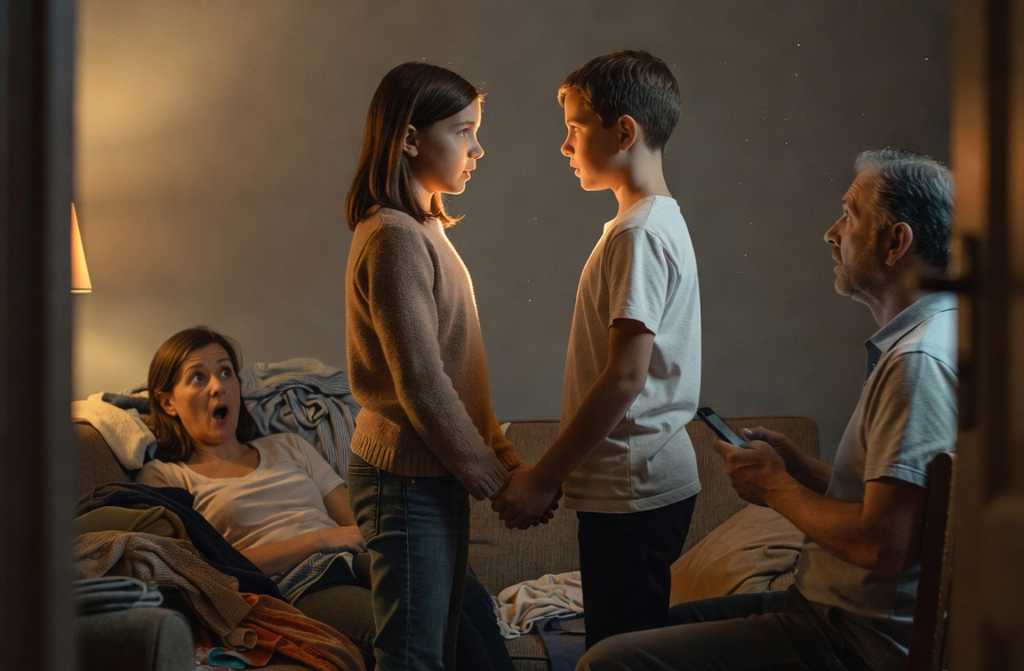
When we finally gathered the courage, we stood before our parents in the living room. Mum, Dad, we need to talk seriously, we said together. We had waited for an evening when both were home. I gripped Matthews hand for steadiness. But first promise youll hear us out completely before you answer.
Dad looked up from his phone, startled. Mum, sorting laundry on the sofa, straightened with an expression of disbelief. This is all your influence! she snapped, folding her arms. The children are already giving us ultimatums! As though we owe them explanations!
And look whos talking! Dad shot back, setting his phone aside. Im out working every day to keep this family afloat. Youve been with them all along! What exactly have you taught them that they now think they can order us around?
We glanced at each other. We had expected the usual blame game, yet we couldnt retreat. Thats enough! I cried, my voice cracking. I stepped forward, forcing myself to speak steadily even though I trembled inside. Matthew and I have decided you should get a divorce.
Silence fell. Mums mouth stayed open; Dad rose slowly from the sofa. Well, thats a surprise, she said in a dangerous tone. Emily, youre far too young to lecture adults on how to live. And what else have you two decided? Perhaps youd like to divide the flat for us as well?
If you dont divorce, well contact social services, Matthew said, tightening his grip on my hand. Then, Dad, you could lose your job. Your company doesnt tolerate scandals, does it? Youve said yourself that reputation matters most.
And you, Mum, I went on, meeting her gaze, the neighbours will lose all respect for you. They wont even speak to you once we add what really goes on here.
Theyre threatening uslook at them! Mum exclaimed, turning from one of us to the other. These are our children! How can you speak to us this way?
Were not threatening, Matthew answered quietly but steadily. We simply want you to see that this cannot continue. Were exhaustedtired of the shouting, of being ignored, of every small request turning into a row.
Youll divorce and move apart, and well live with Grandma, we finished together. It will be better for everyone: calm for us, an end to constant conflict for you. We refuse to stay caught between you any longer.
Our parents stood frozen. For once they had no immediate reply. Normally they would have started interrupting and accusing each other, yet now both seemed unable to speak. Their thirteen-year-old twins were behaving with unexpected maturity, standing side by side, holding hands, and discussing matters the adults themselves avoided.
They had considered divorce before but always stopped at the question of where we would live. Splitting twins felt unthinkable. The idea of us staying with Grandma had never occurred to them until that moment. Now they wondered whether it might be the answer. Grandma adored us, her flat was spacious, and she was always pleased to see us.
Ill ring Mum, Dad muttered at last. If she agrees
He never finished. Mum cut in, her voice thick with a weariness that seemed to surprise even her. Then we can finally stop tormenting each other. Call her. Ill be glad not to see your face every single day.
Her words lingered. She hadnt meant to sound so sharp, yet years of hurt had pushed them out. And Ill be equally relieved, Dad answered, hiding his pain behind a wry tone. There was no real anger left, only a bitter recognition of what their marriage had become. He dialled Grandmas number while they avoided each others eyes. They sensed that something irreversible might already have happened.
That day our family reached a turning point. It started with a long conversation between Dad and Grandma. She listened without interrupting, asking only a few careful questions. When he finished, she sighed and said, If you both believe this is best for the children, then I agree. Theyll be safe here and Ill look after them.
By evening Mum and Dad sat in the kitchen for the first time in ages without raised voices. They discussed practical steps until they agreed that divorce was the only reasonable path. We would move in with Grandma, and they would send her money each month for our support. Both promised to keep seeing uson alternate weekends so they could avoid each other. Dad would collect us on Saturday mornings for outings; Mum would come on Sundays. Their aim was to reduce contact and prevent fresh arguments. They promised never to criticise one another in front of us or try to win us over.
We remain their parents, Dad said. That doesnt change just because were no longer married.
Time proved the choice was the right one. We finally relaxed and began living like ordinary teenagers. I joined an art club I had wanted for years but never had the peace of mind to pursue. Matthew started football and made new friends. We walked through town together, went to the cinema, and talked about school without dreading an explosion at any moment.
Our studies steadied. We had a quiet space to work without constant interruptions, and our marks improved. Teachers remarked on how focused we had become. Life settled into a calmer, more predictable pattern. We stopped hiding in our room or flinching at loud voices. We simply lived.
Five years on, things in the Harrington family moved at a steady, quiet pace. Matthew and I had grown accustomed to the routineschool, clubs, friends, gentle evenings with Grandma. Our parents still visited on their separate days, bringing small gifts and attention but no old complaints. Over time they had learned to speak politely and keep old anger in check.
Their first real meeting after the divorce happened at our school prom. Both attended the formal evening. At first they kept their distance, sitting at opposite sides of the hall, but gradually the awkwardness eased. When the dancing began, Dad walked over and asked Mum if she would dance with him to remember old times. She hesitated, then agreed.
Afterwards they sat for a long while in the school grounds, watching the other students celebrate by the fountain. Talk came naturally, first about us and then about their shared past. They spoke of happier moments from their marriage and behaved with dignity, focusing on what had once been good between them. From a distance we watched, hearts lifting a little. It had hurt to see the two people we loved most treat each other like strangers.
The very next day they invited us to a café. Over tea they took each others hands and Dad announced with a broad smile that they had decided to marry again. They had realised their feelings had never truly disappeared and wanted to give the family another chance. Mum looked radiant, clearly expecting joy from us.
Matthew and I exchanged glances, our faces darkening. Doubt rose in me at once; he clenched his fists beneath the table. Not the same mistakes all over again. Could they really live together without the old conflicts? Are you serious? was all I could manage.
Completely, Dad answered. Weve both changed. Weve learned to listen. We want to try again.
We stayed silent. Conflicting feelings churned inside ushope that they truly had changed, yet fear of repeating the old pain. We offered no argument against the idea and made no comment at all, which clearly wounded them. Mum looked bewildered. Arent you pleased? We thought you would be happy for us.
We simply glanced at each other and shrugged. What could we have said without sounding cruel or false? The rest of the meeting felt strained. They tried to share their plans while we nodded politely, our thoughts elsewhere. On the way home I murmured to Matthew, I hope they understand what theyre doing. He only sighed.
They went ahead with a modest ceremony at the register office and a small dinner with close family and friends. In the photographs they appeared genuinely content, holding hands and exchanging soft looks. It seemed as though past hurts had been set aside and the time apart had helped. We wondered whether this time might truly be different.
It was not. The first weeks after the wedding passed peacefully enough. They made an effort to be considerate and avoided petty criticisms. Within a month, however, the old patterns returned. Raised voices reappeared, beginning with quiet but cutting remarks about undone chores or forgotten messages. Soon open arguments broke out over trivial matterswet towels, missing groceries, the television volume. Voices grew louder and the gaps between rows shorter.
Two months later, exactly as Matthew had predicted, matters reached a breaking point. One evening an argument over who should shop for food escalated. Dad, losing control, hurled a cup against the wall; it shattered loudly. Mum seized a plate and smashed it on the floor. The sound of breaking crockery rang through the flat.
After every such scene they would telephone us. The calls always began the same wayone of them, still breathless, would unload their grievances. Mum would weep to me that Dad refused to understand her; Dad would tell Matthew that Mum seemed determined to find fault.
We had learned to cut these conversations short with calm firmness. We no longer allowed ourselves to be drawn into long debates about who was right. My replies stayed brief: Mum, Im in a lecture, Ill ring later. Matthew would say he had urgent work and suggest discussing it at the weekend. Those postponements became permanent. We invented excusesstudies, part-time jobs, friendsand gradually the calls grew rarer. We felt no guilt; we were simply guarding our own peace, knowing we could not fix what lay between them.
By then we truly possessed lives of our ownbusy, purposeful, and distant from parental storms. Each day consisted of our own plans and interests rather than waiting for the next explosion. I immersed myself in psychology, fascinated by how minds work and how people might be helped through difficulty. In my third year I began volunteering at a centre for teenagers from troubled homes, leading groups and helping them voice their feelings. I recognised echoes of my own past in them and tried to offer the attention and support I had once needed.
Matthew discovered his place in IT. Programming captivated himthe logic, the creation of functioning systems, the solving of intricate problems. He spent hours coding, learned new languages, and took part in student hackathons. In his fourth year his team placed third in a regional competition for mobile applications, which gave him confidence. He found part-time work at a small company where he proved reliable and quick to learn.
We began planning our futures without reference to our parents rows. I dreamed of my own practice helping families communicate. Matthew considered starting his own business. We sketched ideas over tea in cafés and filled notebooks with possibilities. In those moments we felt anchored and free.
When Mum and Dad once again tried to draw us into their troublesringing in tears to describe how badly everything was goingwe answered with the calm resolve we had agreed upon beforehand. Thats enough, I told them firmly. You have your life; we have ours.
But youre our children! Mum sobbed. You ought to support us.
If you behaved like adults instead of children, we would, Matthew replied at once. You chose to remarry and you continue to torment each other. If you cannot share the same space, why keep hurting one another? Divorce and separate already.
The words may have sounded harsh, yet my brother and I simply wanted to live without being pulled back into their storm.
Leave a Reply